
Teenage rage and climate change: How can theatres fight back?
Time to recycle some forward thinking!
 |
Nationwide
|
3 November 2026

They say you must write what you know, and this unusually hot summer is just the tip of the iceberg, if you will pardon the pun.
The conversation on climate change has opened up in theatre with awards and prizes recognising, and maybe incentivising, action. Last year’s hit Fringe musical was Hot Mess, a rom-com between Earth and Humanity, and last week the Royal Court unveiled its 2027 season – featuring a new play grounding its narrative in the reality of the climate crisis. Alex Medland is a new voice in the ongoing conversations, and We’re Gonna Kill Billy is described as part comedy, part eco-thriller. It follows four teenage girls who take extraordinary measures to stop a billionaire from building a marina that will destroy local wildlife. They plan to kidnap his grandson, sure that revolution will follow.
The show is supported as a case study in partnership with ReStage and NT Green Store, a reuse storage initiative that drives forward the National Theatre’s ambition to reach net zero by 2030. Consequently, the production will have a reduced environmental impact. Sherry Dobbin, executive director of ReUse, said in press materials that the creative challenge should be seen as an adjustment in the production process. The community interest company has hubs set up across the country for stage productions to decarbonise and meet the requirements of the Theatre Green Book. Dobbin comments that the conscious move to using them should “empower design”.
In the same month that my council in Leicestershire finally rolled out food waste bins, I attended the UK Theatre Awards. There I met Steve Mannix, chief executive officer of Colchester Mercury Theatre, who picked up the prize for Excellence in Sustainability. At the theatre, sustainability expands beyond being environmental – though their pantomime will use 70 per cent renewable fabric – and appears in ways that I had not previously considered, extending across touring and supporting local businesses.
“We support local artists selling their work in our foyer and our box office, and local produce in the bar and cafes,” Maddix said. “It’s making sure that we are part of the local economy.”
At last night’s inaugural Great British Theatres Awards, Chichester Festival Theatre received the Great Green Theatre Award. Artistic director Justin Audibert spoke about theatre’s part in encouraging climate-conscious thinking: “The way people are going to change is through the power of stories and making an emotional connection to a story.”
Those stories are becoming increasingly poignant. At Shakespeare’s Globe this winter, Timberlake Wertenbaker’s world premiere play The Animals Come to the Table gives voice to an army of creatures from the natural world, including a chicken, a rat, and a snow leopard, who demand an end to exploitation and ecological destruction. It comes as the theatre supports the Climate Playwriting Prize, launched with Climate Spring and Fern Culture.
Offstage there are also practical everyday steps that theatre makers can take, like aiming to hit the Theatre Green Book. “Every theatre knows that we’re at a stage that we need to tackle [climate change] now,” adds Nicky Wingfield, associate producer. Crucially, the Chichester team are thinking forward towards future custodians of the theatre, as Audibert concludes: “[The venue] needs to be in a better state than we found it. That is our biggest lead.”
Aneesha Srinivasan, director of We’re Gonna Kill Billy, says that the caper asks “important questions about protest and resistance in climate justice,” adding, “We have the opportunity to investigate how to hold the play’s political ideas of sustainability and ecological responsibility within the process of making it.”
The play describes its four characters as “gutsy rangatahi from Aotearoa.” We can only hope that the forward-thinking teenage rage gets recycled on this side of the planet.




source on Google
Related Articles
See all


Latest Reviews
See all








Latest Videos
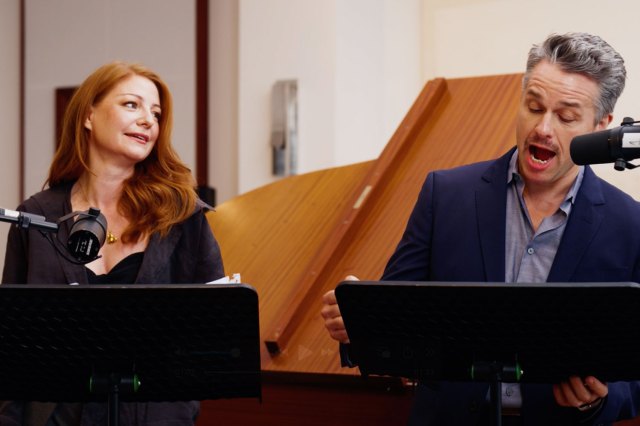
Little Dancer musical in the West End – first listen to Julian Ovenden and Laura Pitt-Pulford
Performances begin at Theatre Royal Haymarket in February