
Chewing Gum Dreams at Theatre503 – review
The first-ever revival of Michaela Coel’s solo show, now starring Lauryn Ajufo, runs until 17 October
 |
London
|
16 September 2026
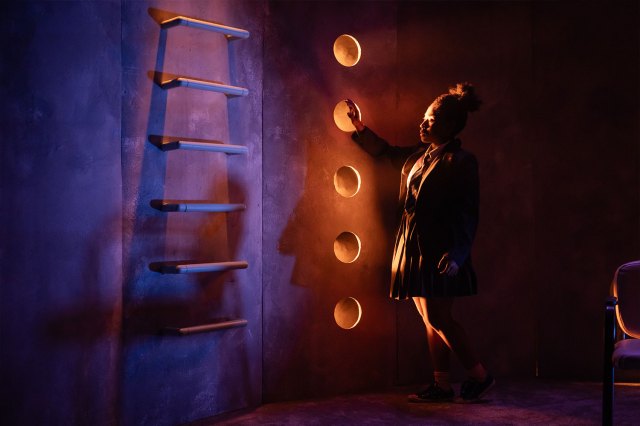
Michaela Coel’s debut play, Chewing Gum Dreams, has its first UK revival at Theatre503. Known for championing debut plays, Theatre503 feels like a fitting home for a theatre piece that marked the beginning of Coel’s successful career.
You may recognise the play’s TV adaptation, Chewing Gum, which premiered on E4 in 2015. The play introduces us to Tracey Gordon (played by Lauryn Ajufo) as she goes on a journey of adolescence. Directed by Anthony Simpson-Pike, this revival adds a fresh take on a coming-of-age story that, more than a decade on, still has a lot to say about growing up and dreaming big.
The show opens with 14-year-old Tracey, travelling on the back of a bus to school, hurling insults at her classmates. The production immediately establishes Tracey as cheeky and energetic, navigating school, her friendships, first loves and the experiences that begin to shape who she becomes.
The play accurately depicts the awkwardness and innocence of being a teenager: there’s something nostalgic about a series of moments, reminding us how confusing those teenage years can be. Simpson-Pike’s direction effortlessly transports us from classrooms, school buses to parties and bedrooms, maintaining boundless pace.
Ajufo is a firecracker on stage. Through the monologue-style of storytelling, she captures Tracey’s slick humour, energy, and wide-eyed curiosity brilliantly, as well as performing multiple characters with ease. Ajufo’s expressive mannerisms and comedic delivery is fantastic, with plenty of amusing punchlines throughout. Watching her shift the tone of the production was equally impressive. She conveys Tracey’s vulnerability with so much genuine emotion that the entire atmosphere in the theatre felt different. It is heartbreaking as she confronts friends in devastating circumstances, or when she asks her love interest, “Will you take care of me?”. It feels more like a plea, reflecting Tracey’s constant desire to be accepted and looked after. Having seen Ajufo earlier this year in John Proctor is the Villain, this performance further confirms her as a rising star to watch.
Yimei Zhao’s set design includes playful elements (climbing bars, a tunnel resembling a slide). These set pieces, alongside a neutral palette and concrete walls, highlight the contrast between childhood and adulthood, demonstrating Tracey’s limbo between the two. I also enjoyed how the lighting (Christopher Nairne) shifts with the tension, often making the intimate space feel even smaller.
Coel’s writing is unfiltered and direct though some of the harsher language used by Tracey feels dated and uncomfortable. The themes (class, sexuality, consent, and race) however, remain relevant. Tracey’s experiences with microaggressions and assumptions from teachers and pharmacists emphasise how she is perceived as a young Black girl. Being labelled a failure is harsh for anyone to hear, but particularly for a young person still figuring out who they are. Perhaps a subtle reflection on the ways society treats young people today.






source on Google
Related Articles
See all


Latest Reviews
See all







Latest Videos
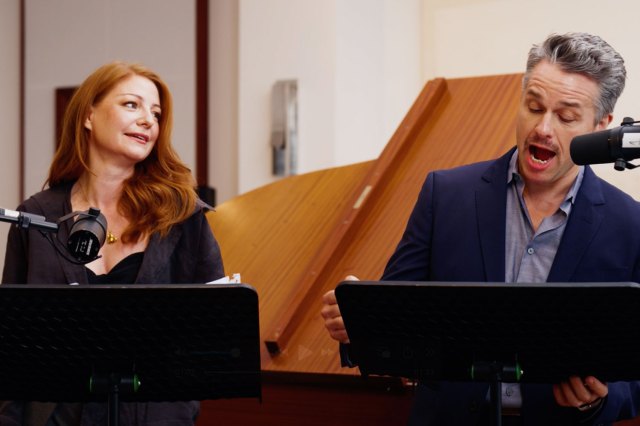
Little Dancer musical in the West End – first listen to Julian Ovenden and Laura Pitt-Pulford
Performances begin at Theatre Royal Haymarket in February