
 |
London
|
|
London
|
16 October 2026
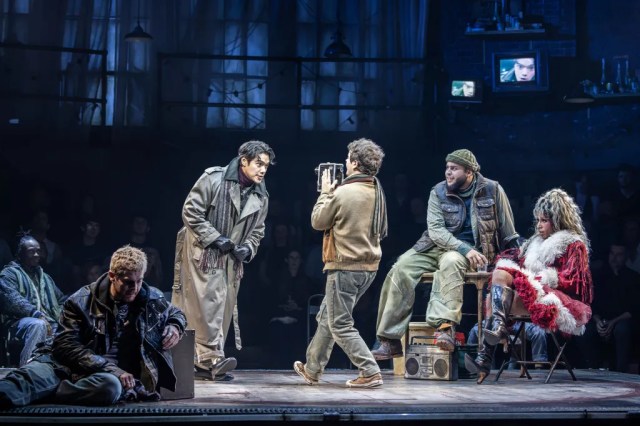
It’s been a revival-heavy fortnight in the West End – new productions of Rent, Into the Woods, Hay Fever, The Cherry Orchard and Who’s Afraid of Virginia Woolf? have all been subjects of the critic’s quill in recent days.
When evaluating a revival, theatre critics constantly face a delicate balancing act: how much of the assessment belongs to the foundational text, and how much belongs to the new take applied by a new director.
While a play like Edward Albee’s Woolf? arguably offers directors a sturdy, near-indestructible framework to strip back and re-interrogate, lighter or more artificial works like Noël Coward’s Hay Fever present a much steeper climb. If a director falters while tackling a masterpiece, the failure is laid squarely at their feet; if they struggle to elevate a trickier text, one has to question whether the material itself is carrying the burden.
This dilemma becomes even more pronounced when stepping into the realm of musical theatre. Last week, Jonathan Larson’s Rent split critical opinion: too often, theatrical commentary gravitates towards textual elements – the book, the direction, the narrative pacing, or the contemporary relevance of the themes – while leaving the musicality as an afterthought.
It raises a compelling question for the industry: should music critics be regularly invited, or sent, to review musical theatre? As our own Sarah Crompton noted on this week’s podcast, standard theatre reviews regularly miss the nuance of musical craft. Recalling an encounter with orchestrator Larry Blank, she reflected on how theatre critics rarely discuss orchestrations, vocal arrangements, or the precise musical direction that shapes a score, leaving a fundamental side of the discipline unexamined.
A performance that achieves technical brilliance in its vocal execution or a composer crafting a new score laden with musical easter eggs or intricacies can sometimes be saddled with a lukewarm rating. Composers, orchestrators, musical directors, arrangers, and vocalists possess specialised skill sets that shape the emotional core of a show just as profoundly as the blocking, the acting or the set design.
This discussion is continued on the WhatsOnStage Podcast.




source on Google
Latest Reviews
See all


Latest Videos
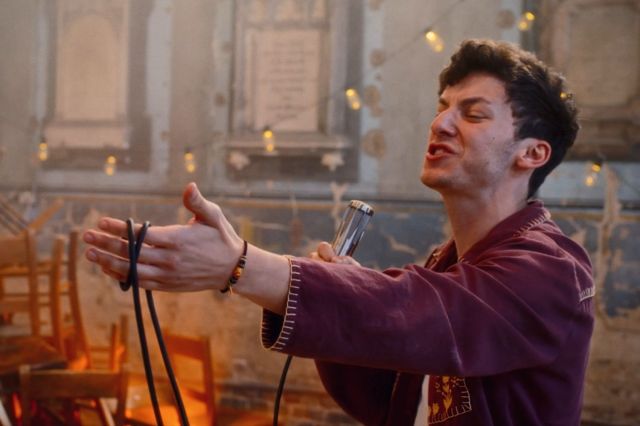
New musical Nero releases first listen with Andrew Barth Feldman
It is from the writers of Spring Awakening