
A Tale of Two Cities at the Marlowe Theatre and on tour – review
The new production, featuring Terence Rattigan and John Gielgud’s adaptation of the Charles Dickens classic, is directed by Michael Fentiman
 |
Tour
|
|
Tour
|
18 September 2026
“Recalled to life!” proclaims the messenger in Dickens’s classic novel, A Tale of Two Cities.
Set before and during the French Revolution, it has been adapted for stage and screen many times, this famous line among its most quoted.
For their second touring production, Kent’s Marlowe Theatre has recalled to life a script penned by Terrence Rattigan and John Gielgud – whether they should have is debatable. Written in the 1930s, it was shelved before its planned premiere and omits much of the rioting and mob violence found in the book. A missed opportunity, given how pertinent such disharmony feels to our local, national and global landscape right now.
For a book that lends itself so well to theatre, director Michael Fentiman’s determinedly televisual approach is baffling. The script’s significant French dialogue is hideously served by subtitles that hover pretentiously above the stage, occasionally out of sync and wholly distracting from the actors below. It serves no purpose whatsoever.
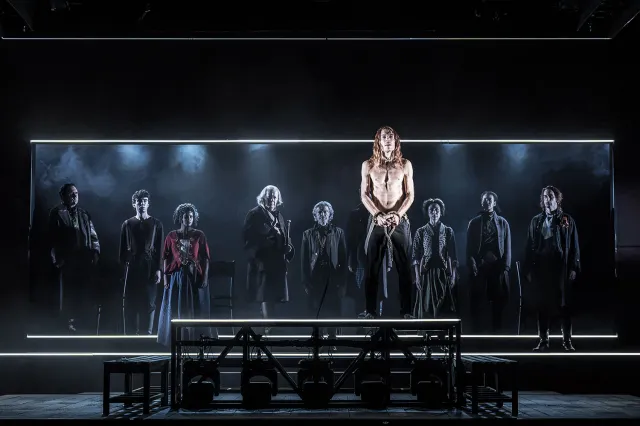
The lighting is obnoxious, more game show than Revolution. The score lurches from Brass Eye-style bombast to softer strains. We open with Dr Manette in crisis – beardy, wild-eyed, King Lear-esque – newly released from an 18-year stint in the Bastille. François Testory is convincing as the traumatised physician, and it’s a promising start; solid turns by Scarlett Brookes as Miss Pross and Roger Ringrose as Lorry follow. Sadly, it doesn’t last.
Daughter Lucie arrives to retrieve him, and before you can say Blighty, he’s clean-shaven, anodyne, and looking like an extra from Poldark. Amid this unedifying transformation, our heroine meets Charles Darnay, the French aristocrat turned English patriot, up at court accused of spying – what luck. Enter our devilish, marauding boozehound Sydney Carton.
The court scene entertains, but Samuel Collings never quite finds the complexity Carton demands. He plays him aloof, freeing his lookalike Charles while barely shaking off his own apathy. This famed alcoholic doesn’t even drink properly until well into the first half – and then it’s polite sips of Madeira and the odd bottle. Martin Bassindale offers light relief as the pompous lawyer Stryver.
Can we even believe Carton’s awakened passion for Lucie? The scene the night before her wedding touches on chemistry, but not quite enough of it.
Collings switches roles to play the odious Marquis de St Evremonde, bringing an authentic air of entitlement to a man who enjoys mowing down serfs in his glitzy carriage. A dinner table scene works wonderfully, delving properly into Rattigan’s script – if only there were more like it.
Carton’s final redemption rings false here: a supposedly wretched drinker with no moral compass he finds his road to salvation paved by love for Lucie. But was it necessary? His most scandalous acts amount to a bender and some grumbling over a brew – the brute! In today’s Manosphere hellhole, he might even pass for a catch.
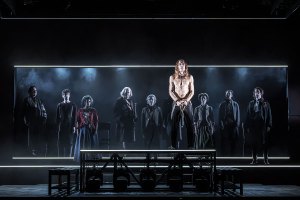
The final sacrificial scene is fittingly TV gold – part The Passion, part Ghost, part Stars in Their Eyes – as a spotlight finds the wretched and half naked martyr Carton, who, before ascending into heaven, delivers the final Dickens soliloquy. Collings is brilliantly narcissistic here.
This production shows intense effort throughout, with poignant moments and solid performances from actors who are received with rapturous applause. But it is, ultimately, confused, busy, and misses the mark. Just days after balaclava’d menaces took over our towns, we’re left with a hollow version that ignores the Terror of both eras, and simply plods along…






source on Google
Related Articles
See all
Latest Reviews
See all

Latest Videos
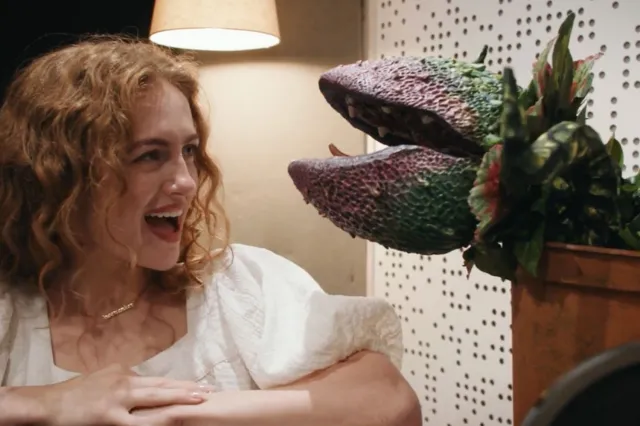
Watch Maisie Smith perform “Somewhere That’s Green” ahead of Little Shop of Horrors revival
The show opens in Manchester before moving to Liverpool