
What will UK theatre look like in 2027?
Some thoughts now the ‘season of seasons’ has wrapped up
 |
Nationwide
|
20 November 2026
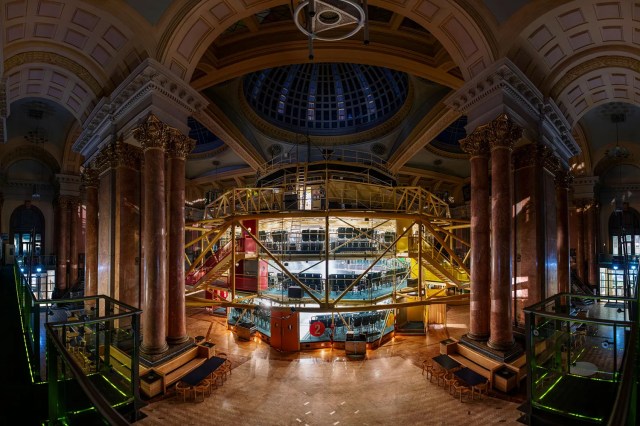
With Rupert Goold finally unveiling his inaugural programme at the Old Vic, the theatre industry’s autumn “season of seasons” has effectively drawn to a close. While further announcements are undoubtedly still in the pipeline, the slate for 2027 already offers a steer as to where British stagecraft is heading. It’s worth saying, there is plenty to be optimistic about.
For one, a wave of rising-star directors is finally getting the chance to take big swings in major spaces. At Manchester’s Royal Exchange, Selina Cartmell’s newly announced programme gives prime main-house slots to directors like Emma Baggott (tackling Brian Friel’s Faith Healer) and Elin Schofield with the world premiere of Daisy Miles’ R Lady. Over at the Royal Court, David Byrne’s 2027 line-up hands the Jerwood Theatre Downstairs to director Aneesha Srinivasan for Alex Medland’s eco-thriller We’re Gonna Kill Billy, while Goold’s own Old Vic slate includes dedicated mentoring and studio opportunities for emerging directors Sara Aniqah Malik, Yasmin Hafesji, and Roberta Zuric. Hopefully we’ll also see more vibrant, emerging and diverse creative teams across all departments.
New writing also looks fiercely protected. Not only is the Royal Exchange reopening its intimate 100-seat studio space for the first time since March 2020, but the Old Vic is launching its own flexible 90-seat Studio inside its new Backstage extension(with a wonderful cafe), creating vital incubators for bold, untried voices. The Young Vic’s studio is also picking up steam.
However, cross over into musical theatre, and the picture for 2027 looks distinctly less peachy. Across Arts Council National Portfolio Organisations, original, unseen musicals with brand-new scores are thin on the ground. Outside of rare exceptions – like Charlie O’Connor and Alena Henke’s Disco Dracula at Bristol Old Vic, Graeae’s folk-punk touring musical Wedding Fayre, or Curve’s studio premiere of Misfits Together (does it take Bastille frontman Dan Smith’s pop star power to make national headlines with an original score right now?) – subsidised venues are largely playing it safe. Even Birmingham Hippodrome’s pioneering New Musical Theatre department is naturally taking time to bring full-scale main-stage commissions to fruition.
Instead, regional programming leans heavily on guaranteed crowd-pleasers and familiar revivals, from Natalie Abrahami’s Guys and Dolls at the Royal Exchange to Cora Bissett’s 9 to 5 at Pitlochry Festival Theatre. Today, homegrown composers and lyricists without chart-topping name recognition are largely finding purchase only with commercial producers – thankfully, many are still willing to invest the time required to develop new work (and often partner with subsidised venues for their premieres).
Yet with international producers increasingly flocking to the UK to mount try-outs and transfers on comparatively cheaper British soil, a nagging question hangs over 2027: without stronger subsidised backing for emerging musical voices, do we risk losing a generation of British writers eager to stage truly boundary-pushing work?




source on Google
Latest Reviews
See all



Latest Videos
WhatsOnTour with Heathers the Musical star Gerardine Sacdalan
Calling all Corn Nuts!