
Reflecting on 60 years of Cabaret – and five years of the Kit Kat Club
The show reaches a number of important milestones
 |
London
|
20 November 2026
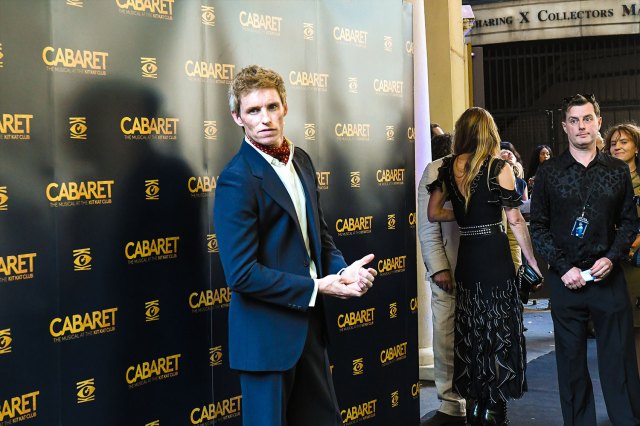
Sarah Crompton and I recently recorded our Top Plays of the Century podcast episode covering 2020 and 2021 (arriving next Friday), and looking back, we were struck by the relentless sense of precarity and ingenuity that venues and producers faced during that period – even after lockdowns ended, with testing hubs, Covid passports and more.
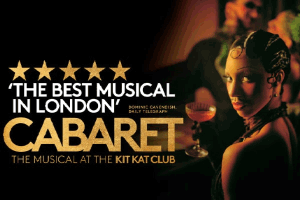
Equally striking was the variety of commercial producers willing to stage big, ambitious productions amidst such uncertainty. Of the six major musicals that opened in the West End from August to November 2021 onwards, two remain running today: Moulin Rouge! The Musical and Cabaret at the Kit Kat Club. The others, including Frozen and Back to the Future, enjoyed healthy, multi-year runs before taking their final bows, making Cabaret’s five-year milestone all the more remarkable.
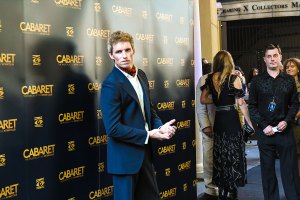
Much credit is due to the bold vision behind transforming the Playhouse Theatre into an intimate, 550-seat in-the-round Berlin nightclub (at a time when intimate stagings may not have been the most attractive offering for Covid-cautious audiences). No one need have worried: since opening in November 2021 with Eddie Redmayne and Jessie Buckley, the production has surpassed 2000 performances and continues to boost the West End’s global profile. The perseverance of everyone involved in launching and sustaining this complex, immersive environment has paid dividends.
As the show marks five years in London alongside the 60th anniversary of Kander and Ebb’s original Broadway debut, the piece feels bracingly urgent. In Rebecca Frecknall’s staging, the final image of fascist Germany that emerges is not one of jackboots and swastikas, but of mundane, homogenous brown suits, with the entire company looking virtually identical. It’s an argument that feels all the more resonant today: it is the voiceless acquiescence and apathy of middle classes that enables fascism, just as much as radical ideology from the far right. The show is a provocation as much as it is a warning.
Set against the backdrop of a turbulent 2020s, echoing the rise of the far right in the 1920s, Cabaret acts as a sharp cautionary tale for 2026 just as it did when rooted in the 1930s. It felt fiercely pertinent when it opened in 2021, yet it resonates in 2026 for entirely different political reasons. Ahead of composer John Kander’s 100th birthday in March 2027, his enduring point, that “things that are terrifying and corrupt about the world that we live in never seem to go away, no matter how much we expose them”, continues to echo through the world.
Crucially, the Kit Kat Club has succeeded because Frecknall’s framework leaves ample room for performers to leave their own indelible mark on such iconic roles. Over the past half-decade, the Playhouse has welcomed an extraordinary roster of stars, from Aimee Lou Wood, John McCrea, Marisha Wallace, Billy Porter, Amy Lennox, Fra Fee, Mason Alexander Park, and Maude Apatow, to Rob Madge, Hannah Dodd, Jake Shears, Rebecca Lucy Taylor, Cara Delevingne, Luke Treadaway, Eva Noblezada, Reeve Carney, and current leads Skylar Astin and Sarah Hyland. Every Sally Bowles and every Emcee offers a different interpretation.
It is this rare ability for artists to bring their own sensibilities to the material that keeps the production feeling freshly appetising for returning audiences. Created in the most uncertain of circumstances with fearless ambition, Cabaret has stayed the course.




source on Google
Featured In This Story
Related Articles
See all


Latest Reviews
See all



Latest Videos
WhatsOnTour with Heathers the Musical star Gerardine Sacdalan
Calling all Corn Nuts!