
Harriet Walter decries elitism in Shakespeare education: ‘The arts are not a fluffy add-on to society’
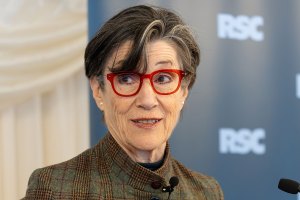
Walter was speaking in central London yesterday
 |
Nationwide
|
19 November 2026
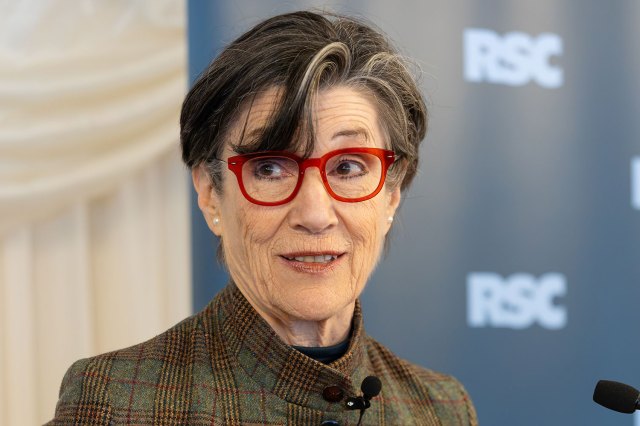
Harriet Walter has called on policymakers to reverse a 15-year decline in creative arts education in schools, arguing that arts and humanities should be as fundamental to the curriculum as the three Rs.
Walter was speaking at The Impact of Theatre: Supporting Thriving Young People, an event hosted by the Royal Shakespeare Company at the House of Commons yesterday, where she called for every child to have access to high-quality arts experiences as part of their education.
“Shakespeare is not inherently elitist,” Walter said. “For too long people have worn Shakespeare as a badge of superior understanding and sensitivity, frightened that sharing him more widely might make them feel less special. But this exclusivity like any other kind of snobbery ends up stale and self-referential. It can only feed on itself and eventually withers.”
She added: “When you love something as I do the works of Shakespeare, you want as many people as possible to open their hearts and minds to them, to develop their individual tastebuds and critical thinking, to share in the moral questions about how to live together as human beings. And the best place to start that is in schools.”
The Olivier and BAFTA winner is currently playing Brutus in Phyllida Lloyd’s all-female staging of Julius Caesar, a co-production between the RSC and KPPL Productions. The revival has recently completed a five-week tour of secondary schools in England, during which Walter and an all-female cast of 12 performed to more than 3,500 young people in Peterborough, Newquay, Bradford, Nottingham and Blackpool.
Reflecting on the experience, Walter described meeting pupils who had never seen a play before, including one boy who asked how he could stand up to the manosphere influencing his peers. She also recalled a teacher being surprised when a pupil who rarely spoke contributed to a discussion.
“With the threat of AI eliminating so many jobs, an education in the arts and humanities may be the last frontier against the bots,” she said. “The practice of drama and other arts at an early stage of a person’s development can create self-belief, cooperation, discipline, empathy, qualities invaluable in any workplace.”
She also argued that the arts could play a role in addressing wider social issues, including mental health, social cohesion and imprisonment.
“The arts are not a soft and fluffy add-on to society, they may be the salvation of society,” Walter said. “They can include disparate voices in our national conversation and if people feel included in the conversation, they feel invested in society.”
Calling for the model of the RSC’s work to be extended across the country, she said: “With the political will from policymakers, the model of our recent work could be replicated into every state school in the country. Every child in every postcode should have meaningful access to high-quality arts experiences as part of their basic education because that shouldn’t depend on which school you go to or where you grow up.”
The tour forms part of a series of events taking place at the RSC throughout autumn 2026 to mark 20 years of its partnerships with schools. These include the publication of Every Child’s Voice, a new report setting out findings from the company’s nationwide partnership programme and examining the role of the arts in children’s social, emotional and academic development.
Walter concluded her speech with a direct challenge to policymakers, saying: “Call me idealistic but don’t dismiss me. Come up with a better idea. Because something major has to change.”




source on Google
Related Articles
See all

Latest Reviews
See all





Latest Videos
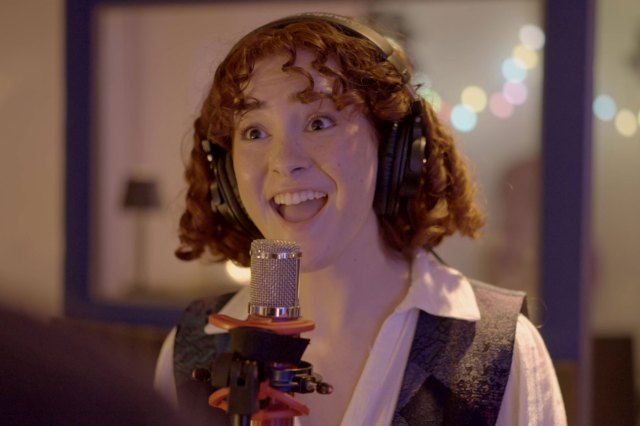
The Sorcerer’s Apprentice musical – take a first listen
The world premiere production begins performances at HOME Manchester next week