
How Amélie the Musical became a hit
Raspberries, gnomes, and a whole lot of love for this musical!
 |
Nationwide
|
|
Nationwide
|
7 May 2026
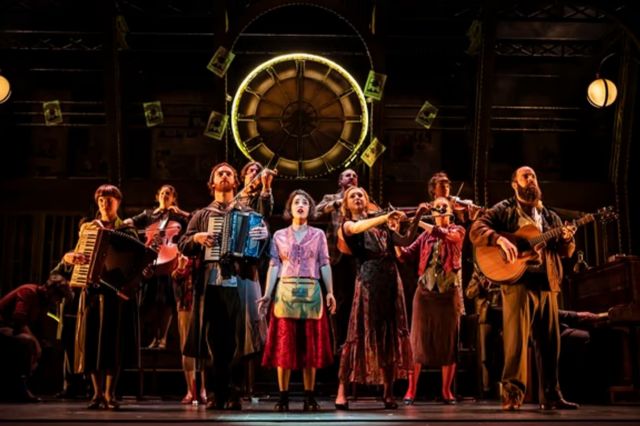
How do you take a musical from a flop to a pop hit?
Amélie, based on the cult film, first appeared on stage in 2015, with music by Daniel Messé, lyrics by Nathan Tysen and Messé, along with a book by Craig Lucas.
The initial try-out reception was warm and hopeful, before a more frosty greeting on Broadway, but on these shores, it became something of a wonder. There are myriad possibilities as to why this was. It could have been to do with the casting, the way the music was performed on stage, or, more crucially, perhaps it was simply down to timing, empathy and understanding by everyone involved.
The world premiere took place in Berkeley, and WhatsOnStage favourite Samantha Barks originated the role of Amélie Poulain on stage (experiencing a very different time in France after her Eponine in Les Misérables!). Throughout the run, Barks spoke to the press about how she connected with the character, a dreamer who strives for more, as she left the Isle of Man as a teen to pursue acting in London. Whether it was Amélie or not, the world has certainly taken notice of Barks and her wonderful talents since this role.
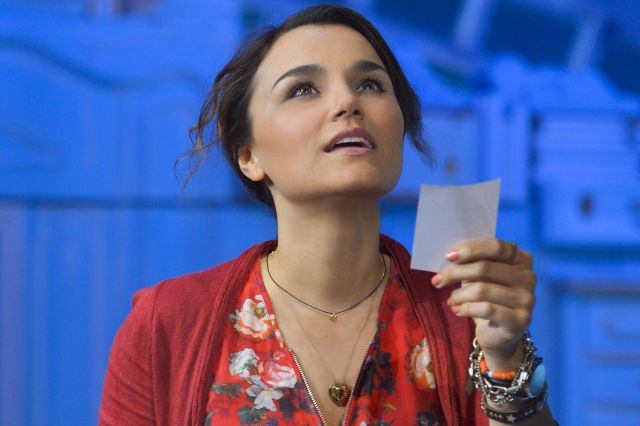
Tony Award winner Pam MacKinnon was in the director’s chair, and it was her first musical. With her previous credits including serious pieces like Clybourne Park and many works by Edward Albee, it was quite the departure. Also on the creative team was choreographer Sam Pinkleton, who has since been at the helm of Oh, Mary! and demonstrated a flair for staging eccentric characters.
The following year, Tony Award nominee Phillipa Soo (who coincidentally went on to work with MacKinnon in a play, The Parisian Woman) took over the title role for a run at Los Angeles’ Ahmanson Theatre. Soo was riding high after originating the role of Eliza Hamilton in Lin-Manuel Miranda’s mega-musical Hamilton, and her name carried enough weight to get the show to Broadway.
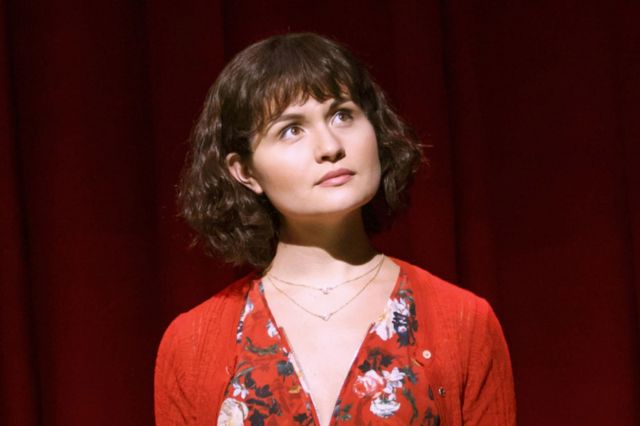
With Soo’s involvement, the music was adapted to be more commercially appealing. A “pop version” of “Times Are Hard for Dreamers” was even released. Montmartre feels like a faraway land in the Broadway cast recording, and while a polished musical, that was ultimately to its detriment.
On Broadway, critics were harsh – they said that the main characters were empty, that the songs were clunky and that there was little indication of the setting. It lacked the charm of a Parisian musical, and instead was overstuffed – just like the 2017 theatre season. Against big hitters like Dear Evan Hansen, Come From Away and Natasha, Pierre and the Great Comet of 1812, Amélie was the first casualty of that year’s Tony Awards, posting a closing notice after receiving no nominations.
Despite this, there was intrigue and interest in the show, which received its UK premiere only two years later. There was an overhaul of the creative team for the non-replica production featuring A UK-based team: Michael Fentiman directed, Madeleine Girling provided design, Tom Jackson Greaves choreographed and, importantly, orchestrations and arrangements were by Barnaby Race and MD Samuel Wilson. Completing the team, musical supervision and direction was by George Francis, lighting design was by Elliot Griggs, and sound design was by Tom Marshall, who all worked closely with the original collaborators to fine-tune the show.
If you’ve read this far, you’re likely aware that Amélie is based on the five-time Oscar-nominated 2001 film by Jean-Pierre Jeunet and Guillaume Laurant, which starred Audrey Tautou. For its premiere in Newbury, another Audrey, this time with the surname Brisson, took on the title role, and the French-Canadian actress received an Olivier Award nomination for her performance when it eventually made its way to London.
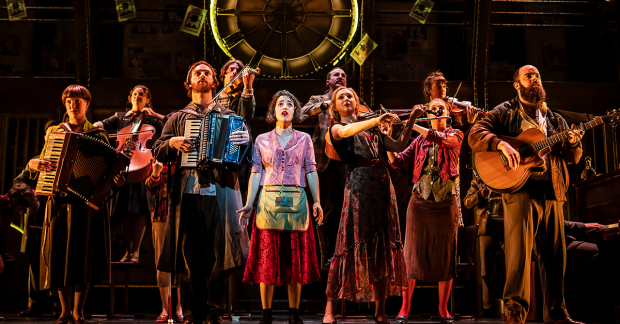
As is standard with the Watermill Theatre, this was an actor-musician production, which was vital in allowing the musical to rediscover its charms. The large ensemble cast each had an individual sound and a moment to showcase their craft. The introduction of instruments like the accordion, cello and flute felt suitably French and more apt, plus it worked in the tranquil surroundings of the snug wood-panelled Watermill and translated well into other theatres on its subsequent tour.
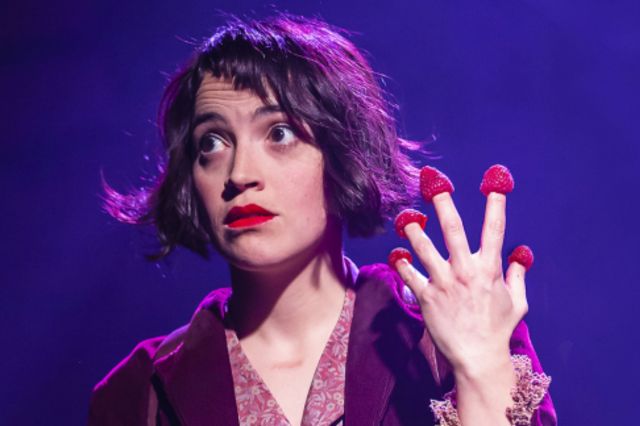
The show boldly brought back songs that were cut for Broadway, including “The Sound of Going Round in Circles” and “The Flight of the Blue Fly”. It resulted in a longer running time and the addition of an interval, which allowed space for all of the subplots to be explored. Little changes like “World’s Best Dad” being changed to “World’s Best Papa” feel more authentic, especially when performed in Brisson’s gorgeous Parisian character accent, and the introduction of a puppet to play a Young Amélie allowed audiences to access the psyche of a young girl. The actor-muso ensemble provided narration and underscoring when needed, like Yann Tiersen’s gorgeous score in the film.
Amélie’s song, “Times Are Hard For Dreamers,” is moved to act two, rather than its earlier position in the States. Creatives explained that it was to dramatise the change in the young woman after she realises human connection is a possibility. After a long tour, the company ended 2019 at The Other Palace in central London. The time spent on the road not only helped to build up a dedicated fan base and interest but also gave everyone time to come into their own. It’s a luxury that previous productions weren’t afforded.
It was in 2021 that the show really had its moment in the spotlight. The pandemic forced audiences to experience isolation and to sit in their solitude during mundane days with their vivid dreams. Do-gooding Amélie and her story resonated with people more in the aftermath of global lockdowns, when the world could do with a little kindness. When WhatsOnStage spoke to Brisson ahead of the run at the Criterion Theatre, she said that, in general, people had begun to realise how comfortable they can become in their own little bubble. But the production celebrated the emergence that comes afterwards, with vibrant ceilidh-style music and folksy charm.
Perhaps Amélie always needed an Audrey at its heart to truly thrive, or maybe the real magic came with timing. Either way, we hope the booth never goes dark again on this musical.




source on Google
Related Articles
See all

Latest Reviews
See all

Latest Videos
New musical Nero releases first listen with Andrew Barth Feldman
It is from the writers of Spring Awakening