
Bull / Fight at Summerhall – Edinburgh Fringe review
The effects of fascism on artistic expression are placed under the microscope
 |
Edinburgh
|
|
Edinburgh
|
12 August 2026
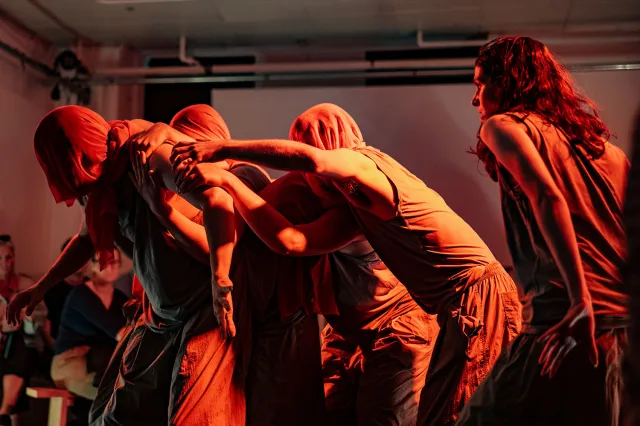
Staged in an intimate underground room, Bull/Fight opens with a compelling premise. The first quarter of the show recounts the final weeks and reflections of Federico García Lorca before his death under Spain’s fascist regime. It offers a promising glimpse into what it means to speak out artistically and live under an authoritarian rule, where ideas of passion, resistance, intimacy, and connection are all at play.
Unfortunately, after this captivating opening, the narrative jettisons its sharp focus. The show spirals out into wider, far less tangible reflections on the effects of fascism and how resistance can exist, particularly amongst the artistic community
Delivered by a cast of six in a highly physical style, the production occasionally finds striking visual beats – most notably a moment where one character fights a bull, formed by five performers, which proves really impressive. Kudos also to movement associate Tsoi Huen Wong – bodies feel worn, almost burdened by the oppression they exist under.
For the most part, however, the performance becomes stilted, slow, and abstract, almost to a point of inaccessibility. The production truly started to come alive during that initial Lorca sequence, making it all the more frustrating when it abandoned that grounded narrative for something far more amorphous that fails to add anything new.
See all our Edinburgh Festivals reviews in the guide below.






source on Google
Guide

Latest Reviews
See all



Latest Videos

Michael Ball performs “Pure Imagination” from Charlie and the Chocolate Factory
What you’ll see will defy explanation!