
1536 in the West End – review
Ava Pickett’s hit play is now running at the Ambassadors Theatre until 1 August
 |
London
|
|
London
|
13 May 2026
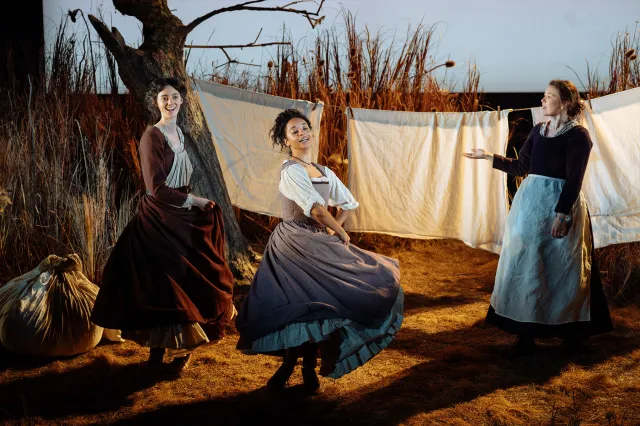
There are so many reasons why Ava Pickett’s blistering West End debut, 1536, is a brilliant asset to the West End. After a celebrated run at the Almeida, this sharp-tongued, Susan Smith Blackburn Prize-winning play has transferred to the Ambassadors Theatre, providing a fresh, stirring perspective on a period of history studied to death in secondary schools – but almost never with the lens Pickett wields so effectively.
The year is, as the title suggests, 1536. In London, Anne Boleyn has been arrested and is on track to be executed – a defining moment for Henry VIII. However, Pickett isn’t interested in the crown at the top of the body politic – except for how the King’s actions legitimise a specific brand of cruelty miles away. This is a play about the trickle-down effect of misogyny and how political events can ripple through society – to impact everything from female friendship to economic survival. It’s not hard to see why it feels so stirringly pertinent.
Director Lyndsey Turner keeps the pace as lean and dangerous as Pickett’s bracingly good script (reportedly tweaked since its initial spell last year). The cast of five is exceptional, led by a trio of women whose lives are tethered to the shifting whims of a flawed man, many miles away, that they will never meet.
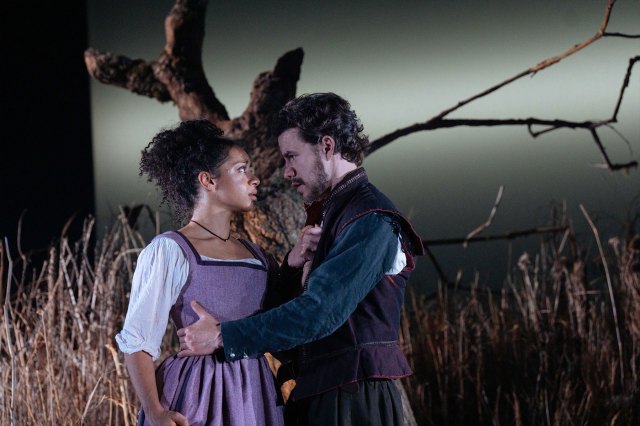
Siena Kelly is electrifying as the rambunctious Anna, whose vitality and open sexual desire make her a target for a village suddenly obsessed with virtue. Opposite her, Tanya Reynolds gives a masterclass in dry, world-weary humour as Mariella, a midwife who understands the physical and financial vulnerability of her sex better than anyone. Liv Hill rounds out the trio as Jane, the good girl who quickly learns that adherence to the rules offers no real protection when the rules are designed to break you. Though absent for the bulk of the second half, the erosion of her idealism is painful to watch. It is not coincidental that Anna and Jane’s names are so close to those of the successive queens.
The men – Oliver Johnstone’s Richard and George Kemp’s William – orbit these women, both the object of their desires and the cause of their objectification. Turner does magnificent work teasing out the genial face of everyday cruelty. There’s also poignancy: one scene, where Reynolds and Kemp mourn a lost love soon to be weaponised by circumstance, is truly heartbreaking.
Pickett has a deft understanding of tone. 1536 is incredibly dark – there is a sense of encroaching dread that chills the air. Jack Knowles’ lighting seems to cool as the show progresses, emerging in a raw, bloody dawn, that’s helped by sharp, shocking blackouts between scene changes. For all that, the play is riotously funny – as she proves time and again, she has an unmatched ear for a quick gag. One moment, where Jane tries to turn over new leaves (“you only get one leaf!”) is a particular highlight. It allows these three friends’ dynamic to feel entirely authentic.
Is the play perfect? No. But it is the perfect play for the present day. It’s a bold, essential piece of theatre that the West End should always look to have on its stages.





source on Google
Featured In This Story

Related Articles
See all
Latest Reviews
See all

Latest Videos
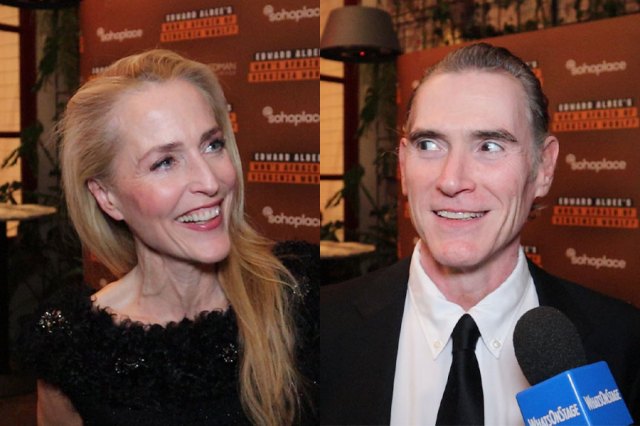
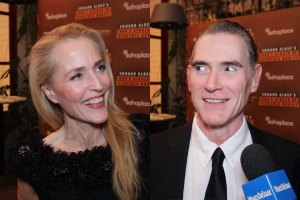
Gillian Anderson and Billy Crudup on staging a ‘boxing match’ in the round in Who’s Afraid of Virginia Woolf?
Marianne Elliott’s revival of the Edward Albee classic is running at London’s @sohoplace