
A Trial – After Enemy of the People with Wagner Moura review
Ibsen’s classic is given a spiritual sequel in this production, reaching Edinburgh International Festival and staged at the Royal Lyceum Theatre
 |
Edinburgh
|
|
Edinburgh
|
9 August 2026
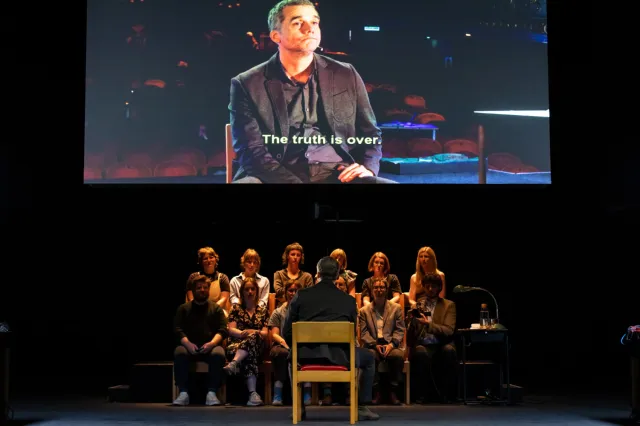
Wagner Moura delivers a magnetic, deeply charismatic performance in A Trial – after An Enemy of the People at the Edinburgh International Festival.
Directed by renowned Brazilian theatre-maker Christiane Jatahy, this production represents the very first co-production between Europe’s three oldest arts festivals: the Edinburgh International Festival, Holland Festival, and Festival d’Avignon, the beginning of a plan to celebrate their shared 80th anniversaries in 2027. Jatahy, alongside co-writers Moura and Lucas Paraizo, crafts a radical contemporary sequel to Henrik Ibsen’s classic 1882 play, transplanting the story from Norway to modern-day Brazil.
Staged as an immersive courtroom drama complete with desks, live video feeds, and an audience-selected jury, the narrative picks up years after the original events. Having famously railed against the idiotic majority after uncovering contaminated water in a local spa town, Dr Thomas Stockmann is now on trial himself. Yet the core question before the court is not merely about environmental pollution: is Stockmann truly an enemy of the people, or are the people their own worst enemy? How can a society function in a post-truth world?
Running at an uninterrupted two and a half hours, the production flits playfully in and out of character. It incorporates multimedia film footage and expert testimonies to explore themes of capitalism, the ambiguity of fact, and public judgment. Despite Stockmann being an inherently flawed, fiery and confrontational figure, Moura’s commanding stage presence effortlessly sways the room, ensuring the audience remains thoroughly invested in his plight. We witness how his ideals erode his family’s wellbeing, archive footage tracing the collapse and decline of a tight unit. The use of Stockmann’s daughter, Petra, is also effective.
The play’s main drawback lies in its static, procedural setup, which causes the middle section to lag slightly. However, it quickly recovers momentum, culminating in an electrifying yet melancholy conclusion. Ultimately, Stockmann’s powerful final actions and words, showing a tired man almost at the point of despondency, render the initial jury conceit almost irrelevant, though it leaves a lingering, profound impact long after the performance ends.






source on Google
Guide

Latest Reviews
See all







Latest Videos
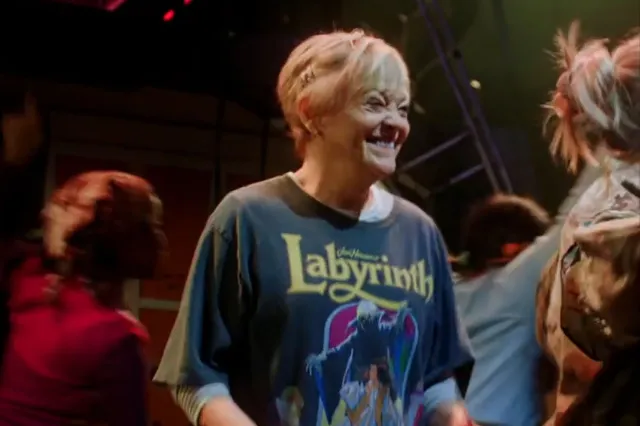
Kimberly Akimbo musical releases UK premiere trailer
The five-time Tony Award-winning musical is currently on stage at Hampstead Theatre