
Yentl at Marylebone Theatre – review
The UK premiere of Kadimah Yiddish Theatre’s stage adaptation of Isaac Bashevis Singer’s short story runs until 12 April
 |
London
|
|
London
|
12 March 2026
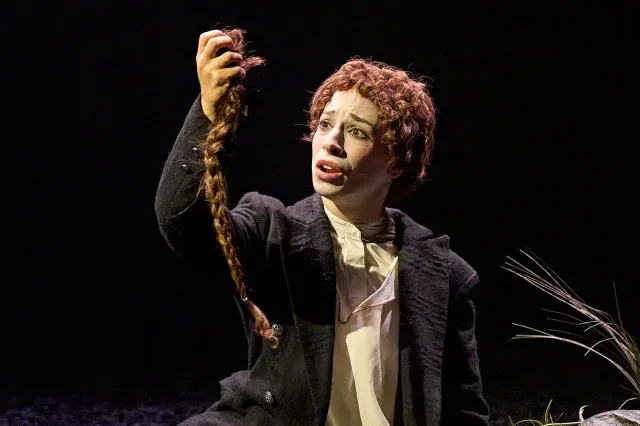
While Yentl is largely known as the 1983 Barbra Streisand musical, it actually began as a short Yiddish story by Isaac Bashevis Singer. Co-writers Gary Abrahams, Elise Esther Hearst and Galit Klas have gone to the same original text, hoping to tell a slightly different tale that resonates with a modern audience.
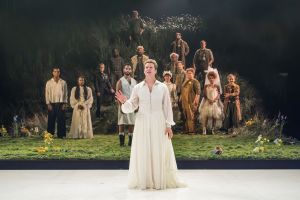
Yentl is a woman trapped by history and culture who wants to do what men do: learn. Secretly educated by her father who then dies, Yentl dresses as a boy and runs away to a Yeshiva to continue her education. Hilarity and heartbreak ensue.
Evelyn Krape plays a ghostly narrator, part Shakespeare, part panto, talking the audience through the plot at length. Her cackles might suggest she’s the devil at Yentl’s shoulder; the “yetseh harah” tempting her to evil deeds. But ultimately she’s there to ensure the audience is following along. There’s something folktale-ish about Krape’s narration, and paired with the ghoulish make-up it feels like a theatrical nod to something. But it doesn’t quite come off, particularly as the whole cast is similarly made up, with no explanation.
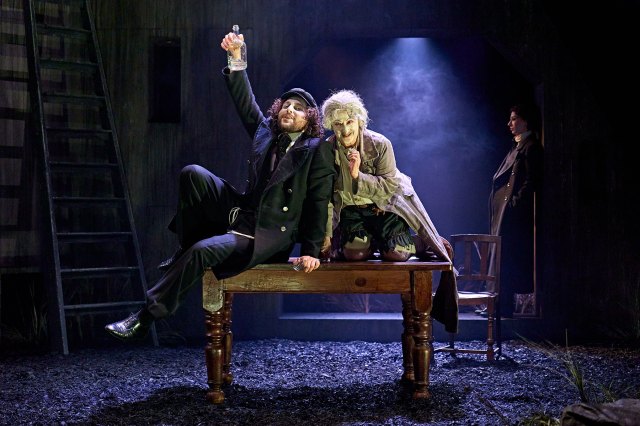
Amy Hack as Yentl and Ashley Margolis as Avigdor, Yentl’s study partner and crush, have great chemistry, both full of a naive energy and awkward playfulness. Genevieve Kingsford is charming enough as Hodes, although the writing lets her character down, left largely unfleshed. She appears to stand for all “ordinary” women of this time period, who had no head for learning and simply desired a husband and babies.
It’s a fun yarn, and the cast and crew are clearly trying to tell Yentl’s story in earnest. But perhaps because of the original short format, or perhaps because half the play is in Yiddish with English surtitles, there are so few moments in which someone isn’t explicitly explaining what’s happening. This is understandable given the audience has to contend both with the Yiddish and the many Jewish customs that are key to the plot. But if you’re going to make a short story a two-and-a-half-hour play, it’s going to need more subtext, less exposition.






source on Google
Featured In This Story
Related Articles
See all

Latest Reviews
See all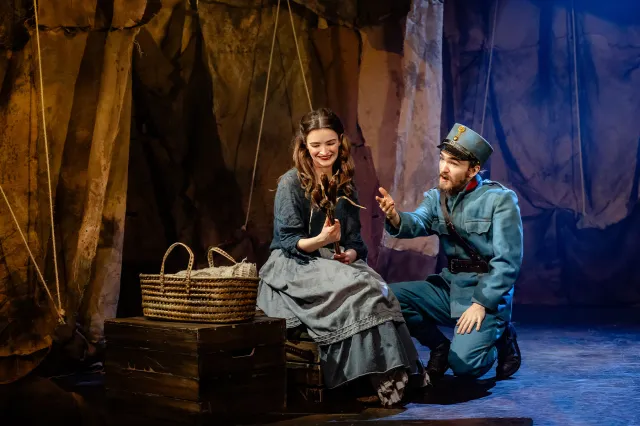

Latest Videos

West End vs Broadway: Paranormal Activity – Ami Okumura Jones and Cher Álvarez on transatlantic terror
‘Tis the spooky season, after all…