
Blogs
Why are the Trainspotting team clapping back at the critics?
Many words have been thrown around by those involved in the show
 |
London
|
|
London
|
7 September 2026
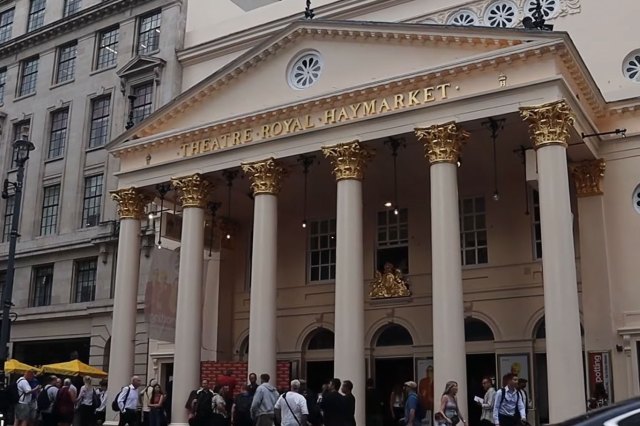
The Trainspotting musical’s West End run ended over the weekend. With the cancellation of a UK tour, Theatre Royal Haymarket ended up being the final stop for the show’s life.
The tour’s demise was marked down to unhealthy ticket sales and a turbulent economic climate: Trainspotting cast members and creatives admitted that if this, of all shows, can’t sell in Edinburgh then really there’s not much to gain in trying. But the period also marked a very pronounced window of hostility between creatives and critics – unlike any this editor has really seen before.
Of course – Trainspotting didn’t get the most glowing notices – an array of one- and two-star write-ups (alongside the occasional four here or there), so it’s not hard to imagine why there might be some grumbles. But even when previous shows have had hard times from critics, the normal (and public) response from those involved has been a begrudging silence. Lord knows what they’re saying in private.
Writer Irvine Welsh could never be considered as having done the normal thing, and in a blistering post yesterday, he stated that Trainspotting was beset by “hostile, prissy bourgeois theatre critics”, going so far as to suggest that “critics feel more empowered to deride it in the isolated single theatre site, rather than a book or film, which instantly go around the world and remove its impact from the elitist cabal and their clickbait-hungry henchmen and women, desperate to make a name for themselves.” It’s interesting that he seems to have more frustration with the critical reaction than the lack of sales.
This isn’t, of course, the first time Welsh has taken issue with what critics have said about his work. But amusingly, he isn’t even the most hostile figure in the production – one of the show’s composers, Steve Mac, took to social media after press night in July to say “Press night done and of course a mixed bag of reviews but on the whole it’s all positive. F**k the n**ce snobs whose head it went over.”
Theatre criticism must always explore its own faults – whether or not journalists and editors do feel that temptation to leap into the “clickbait” bracket for the sake of a few thousand extra clicks is something that is regularly debated by organisations like the Critics’ Circle.
Plus, there is no doubt a keenly felt problem around diversity of experience and background amongst those writing for the largest outlets, though great strides are being taken compared with a decade ago. But if a theatre critic has in good faith been invited to give their opinion on a show, the least they can hope for is to not be called a “n**ce” once that response has been published.




source on Google
Latest Reviews
See all





Latest Videos
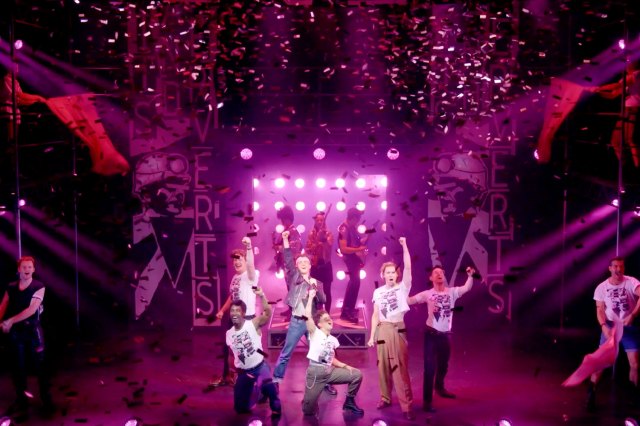
Pride musical – first look at new trailer
The hit show is heading down the Thames after its National Theatre debut