
I’m Every Woman: The Chaka Khan Musical at Troubadour Wembley Park Theatre – review
Alexandra Burke leads the new bio-musical, running until 27 September
 |
London
|
|
London
|
5 August 2026
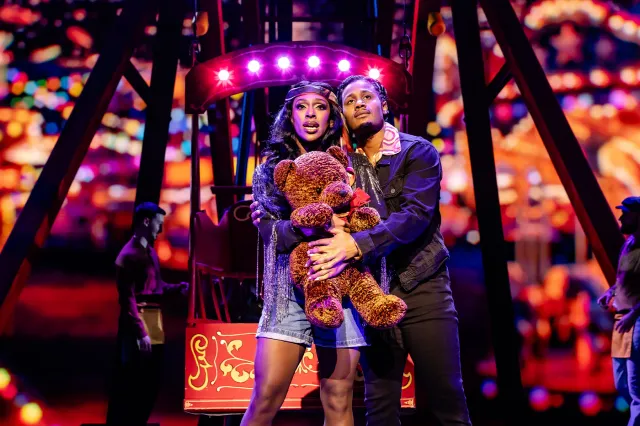
This disappointing musical sounds less like an affair played on a jukebox and more a set of tunes assembled by someone learning to scratch: the melody occasionally judders into life, but it jumps along without coherence.
Which is an enormous shame because Chaka Khan has a back catalogue of hits (from “I Feel for You” to “Ain’t Nobody”) that extends far beyond her title as Queen of Funk, taking her distinctive, fierce voice into different spheres. On a more than usually chaotic press night, the great woman was there herself, a tiny titan surrounded by her vast entourage, arriving late.
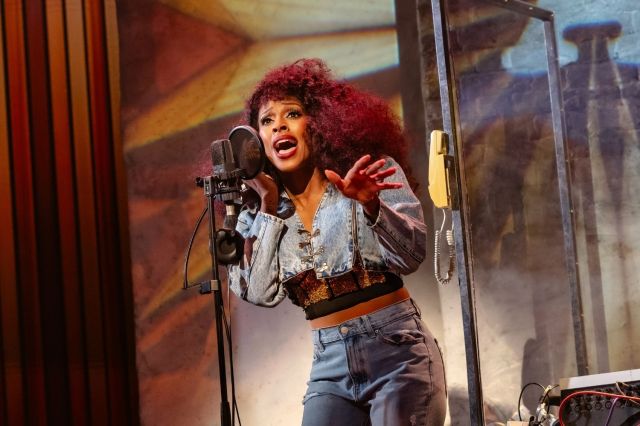
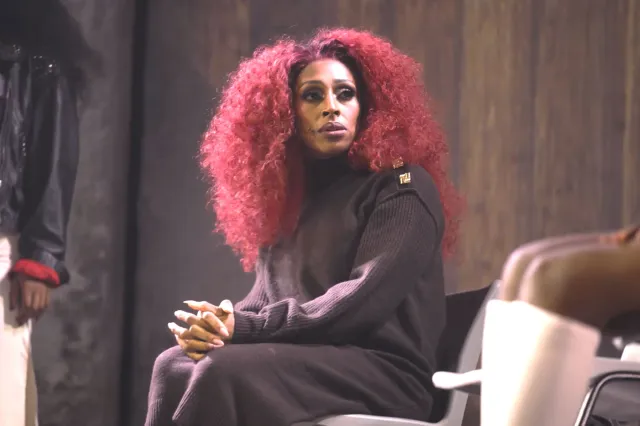
It’s also a shame because on stage, the now 73-year-old is played by Alexandra Burke, who not only has a voice that rises to any occasion but also has a presence and an acting quality capable of transforming moments of a written-by-rote show into theatrical magic.
The problem lies most of all in Nia T Hill’s script, which reduces Khan’s life to a series of clichés: talented Black girl with absent, heroin-using father marries two rubbish men and is exploited by the record industry. Each trope in this narrative is told in scenes that move too swiftly to allow any depth of character development and are peppered with lines such as “I have to find my freedom” and “Honoured to meet you, Miles Davis.”
But it’s made worse by direction from Racky Plews that allows the portrayal of the musical figures Khan meets en route – Davis, Stevie Wonder, Steve Winwood, Prince – to descend into a series of comic turns and bad wigs. All these figures are shown because they had a dynamic effect on Khan’s music; to turn them into caricatures earns a few laughs but feels unforgivable.
Their treatment also has the effect of undermining one of the most interesting and dynamic qualities about Khan herself – her musical curiosity and her willingness to experiment. Only her friendship with Joni Mitchell (played in a few fleeting moments with remarkable conviction by Sophie Earl, who gets to sing “Big Yellow Taxi” uninterrupted) emerges with its credibility intact.
There are, in fact, suggestions that there might be a better musical labouring under all the layers of muddle. Sara Perks’ sets, Natalie Pryce’s costumes and Buckloop’s video designs effectively conjure different scenes of life and society from the 1960s onwards: the Black Panther meetings where Khan comes under the influence of Fred Hampton; the wide open green vistas of the California hill; the stages that flick past as Khan establishes her fame on tour with Rufus and descends into drug dependence at the same time.
Those addiction issues, though central to a narrative that begins in a family therapy session in rehab, are never properly explored. Nor is a sexual assault while Khan is overdosing. The late arrival of an explanation of one character played with energy by Chrissie Bhima doesn’t help to clarify things; it just extends an already overlong show.
Perhaps it is the involvement of the legend herself that restricts the show’s ability to peer beneath the surface. Or perhaps it is a failure of exactly the kind of courage she constantly displayed. You’re left with some great songs and Burke. But it isn’t enough.






source on Google
Featured In This Story
Featured Artist
Guide

Related Articles
See all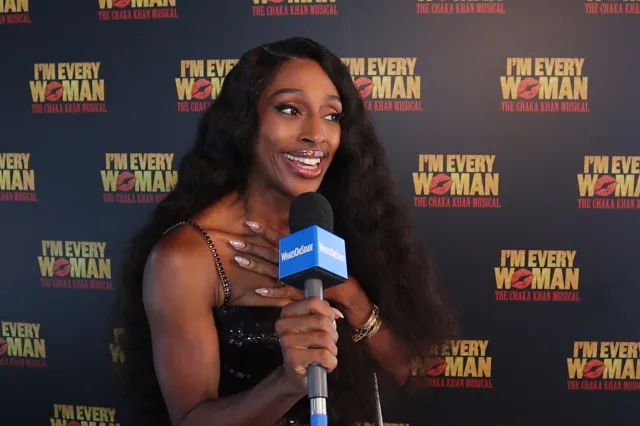

Latest Reviews
See all


Latest Videos
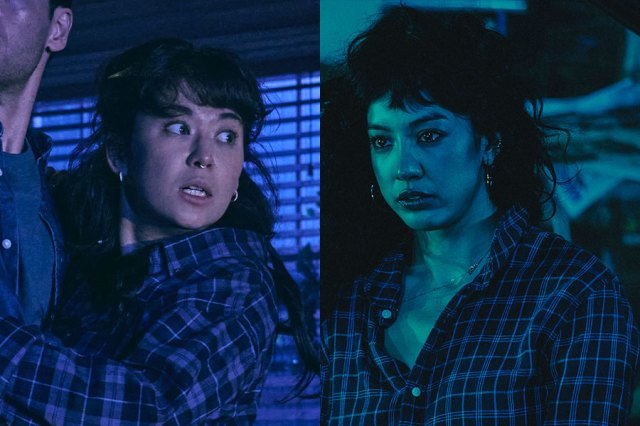
West End vs Broadway: Paranormal Activity – Ami Okumura Jones and Cher Álvarez on transatlantic terror
‘Tis the spooky season, after all…