
for colored girls… at the Yard Theatre – review
Diane Page’s production of Ntozake Shange’s seminal work, featuring original music by Jammz, runs until 3 October
 |
London
|
|
London
|
10 September 2026
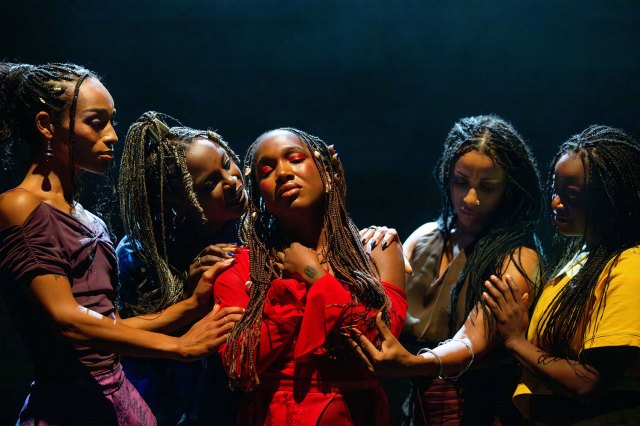
Fifty years after its Broadway premiere, Ntozake Shange’s groundbreaking choreopoem for colored girls who have considered suicide / when the rainbow is enuf returns in a new production directed by Diane Page at the newly refurbished Yard Theatre. First staged in 1975, the show remains one of the longest-running plays by a Black writer in Broadway history. Shange’s work explores the experiences of Black women through a powerful blend of poetry, music and movement, creating a piece that remains as relevant today as it was half a century ago.
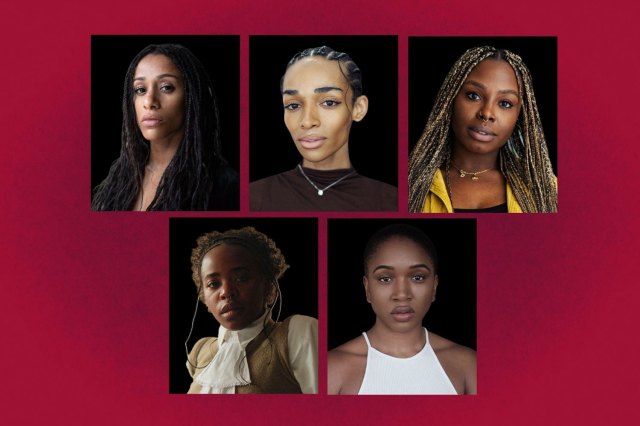
The piece follows seven Black women, identified only by colours of the rainbow: Lady in Blue (Nadine Higgin), Lady in Yellow, Lady in Green (both played by Tatenda Matsvai), Lady in Brown (Ibilola Rossi), Lady in Red (Cherrelle Skeete), Lady in Purple and Lady in Orange (both played by Alex Thomas-Smith). The non-linear structure allows each woman to step forward and tell her story. Through a series of monologues, songs and choreographed sequences, they retell their stories of love, rage, joy, sexuality, trauma and survival.
Ali Hunter’s lighting design bathes the stage in colourful, vibrant hues, constantly shifting between the women, cleverly evoking the imagery of the rainbow. The production is further enhanced by Jammz’s original music. The modern electronic and garage-style beats accompany several of the dances, adding a contemporary feel to the piece, as well as bringing a fresh perspective to Shange’s text. The contemporary sound, however, creates uncertainty about when and where this production takes place.
Ingrid Mackinnon’s choreography throughout the show is brilliant and beautifully synchronised, with the women moving as one before breaking apart into individual stories. Whether huddling together, embracing or supporting one another physically, the cast embody the emotional bonds between the women.
Paired with Diane Page’s direction, the choreography helps establish that sense of solidarity and sisterhood. The stripped-back staging places the focus entirely on the performers, their words and movements. This minimalism creates an intimacy that suits the personal nature of Shange’s material, allowing moments of vulnerability to resonate without distraction.
Matsvai (Lady in Yellow/Green) and Thomas-Smith (Lady in Purple/Orange) perform with confidence, as they portray various voices. Higgin excels as Lady in Blue, delivering an authentic and emotionally charged performance. Her storytelling is captivating; with every word, and gesture, we are drawn in. She expertly balances moments of humour with the play’s darker themes, ensuring that the tonal shifts feel natural. Rossi stands out as Lady in Brown, bringing a compelling physicality and characterisation to her role.
Skeete delivers the evening’s most devastating moment in the penultimate monologue. Retelling the story of a distressed mother with wonderful depth and sensitivity, her performance is so profoundly moving that many of the audience were left visibly and audibly affected. Skeete brilliantly demonstrates the emotional impact of Shange’s writing.
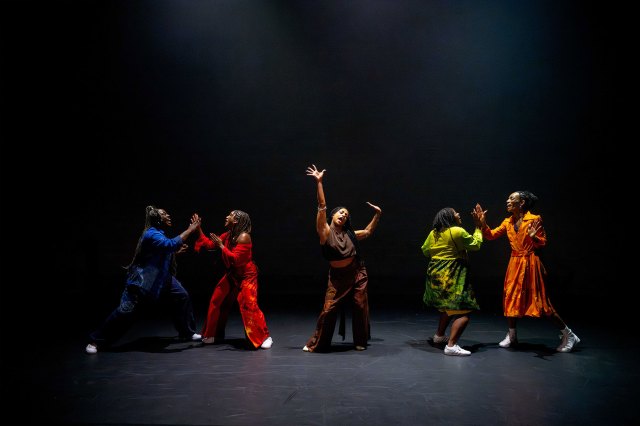
With seven characters played by only five performers, there needed to be a clearer distinction in the multi-rolling – rather than holding/wearing a colour-coded costume piece to signal character changes. Perhaps differentiation through vocal choices, physicality or characterisation would have helped clarify when a new story was being told.
The production also struggles to capture the full force of Shange’s revolutionary text. Her writing is emotionally charged, and radical, yet some lines come across as spoken from a script rather than drawn from lived experience. This weakens the sentimental intensity of the piece, leaving some of its most powerful moments feeling less impactful than they perhaps should.
Swift transitions between stories leave little room for us to process what we have just heard. Given the sensitivity of the themes being explored, space to breathe could be extremely beneficial. This would have strengthened the emotional journey, allowing us an opportunity to absorb and reflect on the experiences being shared.
While the show does not always capture the full revolutionary spark, it’s still a moving revival of a groundbreaking piece of theatre. Supported by beautiful choreography, striking lighting and strong performances, the production reminds us why Shange’s writing continues to resonate. Fifty years on, for colored girls who have considered suicide / when the rainbow is enuf remains a powerful and necessary celebration of Black womanhood, survival and sisterhood.






source on Google
Related Articles
See all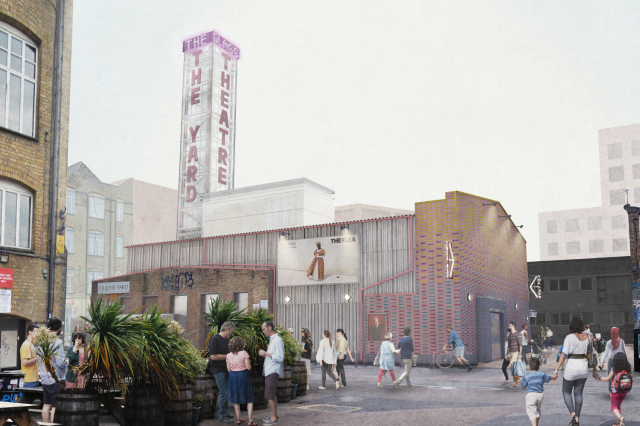
Latest Reviews
See all


Latest Videos
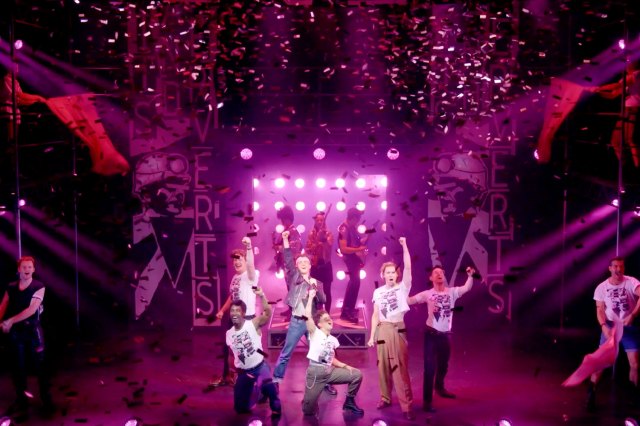
Pride musical – first look at new trailer
The hit show is heading down the Thames after its National Theatre debut