
Atonement at Chichester Festival Theatre – review
The stage adaptation of Ian McEwan’s novel, directed by Adam Penford, runs until 20 June
 |
Chichester
|
|
Chichester
|
6 June 2026
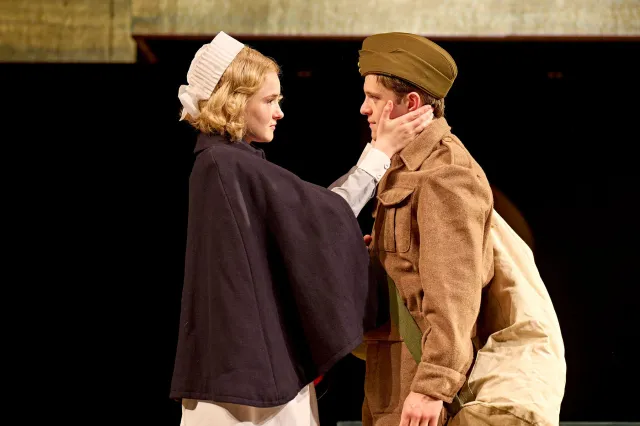
Ian McEwen’s wildly popular 2001 novel is a story of love, lies and injustice with a passionate intensity that translated with devastating effect onto the big screen in 2007 with a screenplay by Christopher Hampton and a starring turn from Keira Knightley. In this world premiere at Chichester, Hampton is once again on board to write the stage adaptation but, sadly, what a stuttering and clunky affair it has become.
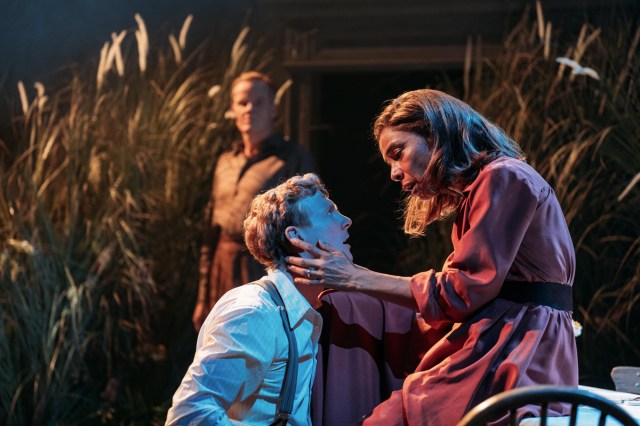
The story begins in 1935, where 13-year-old Briony (Isabella Dempster) witnesses a sexual assault and accuses a man that she knows to not be guilty. A dizzying conveyor belt of quite leaden vignettes make up Hampton’s adaptation in a production that never manages to get into gear under the direction of Adam Penford. A stylised but cumbersome set by Anthony Ward doesn’t help matters, with a split level that encases scene after scene so far upstage that you feel you are watching from a chasmic distance.
The initial lustful triste that protagonist lovers Robbie and Cecilia partake in is about as passionate as the cold water in the garden fountain that cleverly appears from beneath the stage at one point. It’s a relationship that never really warms up despite the performances from Jasper Talbot and Miriam Petche both being pretty solid.
In the second act, we time hop about a bit with Andrzej Goulding’s projection work keeping pace with the where and when’s. Surtitles for foreign language lines also appear as well as the contents of letters being written – here producing horrified gasps from the Chichester audience as expletives roll from the page of one in particular. So often is the shift in time and location being flashed on the stage though that it doesn’t take long to become intrusive rather than helpful.
War time France leaps back and forth culminating in a 1999 postscript in which the now ailing Briony (Jessica Turner stepping in after the sudden departure of Siân Phillips) is trying to atone for the deeds she once committed as a teenager. The twists of the story, so gripping in the novel, here feel lumbering and mostly anticlimactic, whilst none of the characters have been given shape or depth enough to make us either like or dislike them to any great extent.
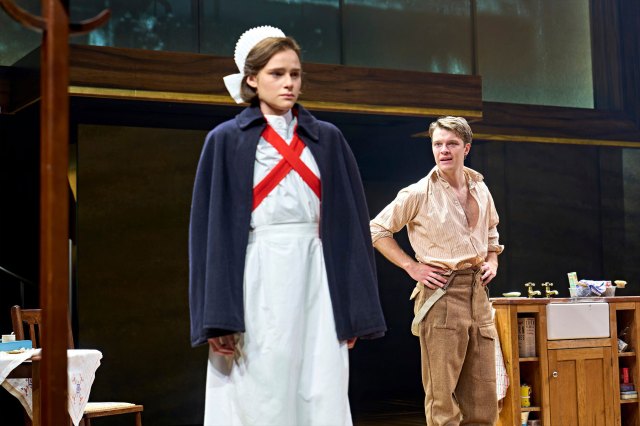
It is uniquely ironic that this opens on the very same day in the UK that a rapist has been jailed following the wrongful imprisonment of Andrew Malkinson 17 years ago. The pain of being found guilty of a crime that you did not commit is unfathomable, yet there is little of that illustrated here.
Hampton’s script feels more like a work in progress and is missing the subtitles needed to express the tension and the high stakes drama. The battlefield scenes are strewn not with danger, but expletives that appear to be an attempt to shift the narrative but ultimately just feel out of place and untruthful.
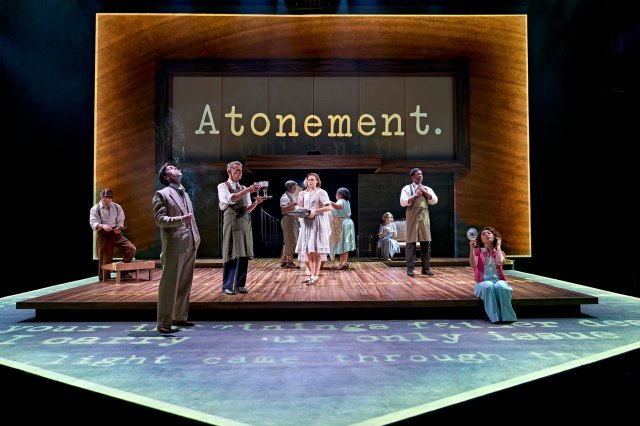
There are handsome moments. Performances are committed and the iconic green dress looks spectacular on Petche. There is some nice underscoring from Alexandra Faye Braithwaite that attempts to shift the pacing dial, but the lack of action and feeling alongside the inert script leave this feeling rather lacklustre and passionless.






source on Google
Related Articles
See all


Related City Guide

Latest Reviews
See all



Latest Videos
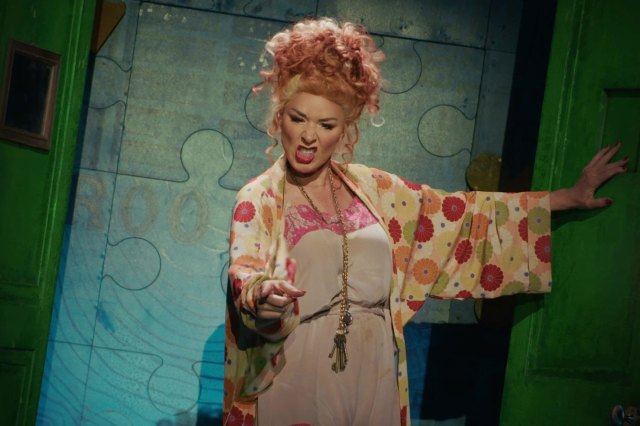
Annie tour releases new trailer
Welcome to Easy Street!