
 |
London
|
|
London
|
14 July 2025

At seven o’clock on Saturday evening, the West End production of Clueless announced it would be wrapping up its West End run next month, after initially extending its run through to March 2026.
Planning an announcement at a time when few journalists are likely to be working is fairly standard practice (eight o’clock on a Wednesday, during a National Theatre press night, was particularly notable a few years ago) and having it happen just after a company is called for an evening performance means they can be told in advance, before the headlines hit social media.
Ultimately – dozens of staff members, front-of-house team members, performers, creatives and backstage crew may be losing months of income if a show closes well ahead of the end of its booking period – so shows and producers have to pay due diligence by making sure the relevant stakeholders are informed privately in advance.
It’s also worth emphasising that early closure doesn’t mean failure – producers may be pragmatic if they think a production is able to make more bang for its buck by heading out on tour where the business models operate differently. That’s exactly what this show will be doing next year – which is far from buggin’ for Clueless fans. An ambitious advance booking period may have simply been a case of biting off more than can be chewed.
Why do West End shows close before their booking period runs out? It would be wrong to speculate the specifics regarding Clueless – especially when West End shows can close for a few common reasons, even if they open with big names (composer KT Tunstall for example, or a recognisable IP like a cult classic ’90s film) and good reviews – Clueless had some solid notices from critics, including Alun Hood for WhatsOnStage.
Stepping away from Clueless and talking more broadly, reasons for closure can be far more opaque in the UK. Given the West End (unlike Broadway) does not reveal show-by-show box office data, it’s hard to determine how much of a financial factor there is whenever a show suddenly closes. Needless to say, if a production can’t consistently sell enough seats to cover its running costs – which include venue hire, cast and crew wages, marketing, sets, costumes and more – the producers will decide it’s better to cut losses than to keep running at a deficit.
Sometimes a show might have strong advance sales for its first weeks but struggles to sustain interest after the initial buzz – as was reportedly the case with the Sheridan Smith-led musical Opening Night last year. Competition is also incredibly fierce in the West End, with so many shows vying for audiences’ time and money, and it can therefore be tricky to capture potential punters’ attention (and cash).
Not only that – there’s a huge bottleneck of productions wanting to bag a slot in the West End – so venue operators are always keen to be pragmatic if they think there’s a starry hit on the horizon. I’d not be surprised if more venue owners show equally creative approaches over the next year or so.
Other reasons can include losing a big-name star whose presence was key to ticket sales (it’s remarkable how many times this happens for shows that want a big name during a recast, but can’t find the right fit at the right price) or external factors like poor reviews, bad word-of-mouth or unexpected events (transport strikes, cost-of-living squeezes, or wider economic downturns). The hit Almeida production of Spring Awakening had its West End run plans pulled after a key financier dropped out at the 11th hour – a sad end for such a fantastic production.
The West End can be an incredibly turbulent environment – and while the stakes may not be as high as somewhere like Broadway – it can lead to unexpected decisions or outcomes.




Related Articles
See all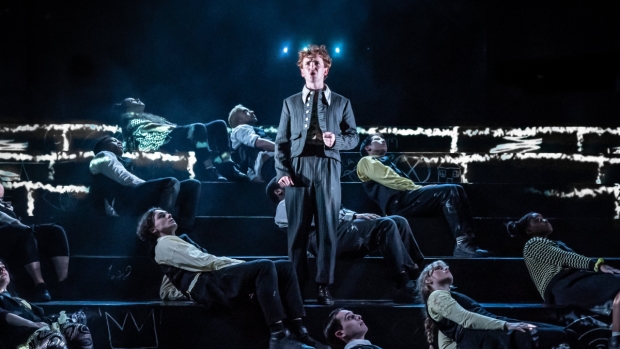
Latest Reviews
See all







Latest Videos
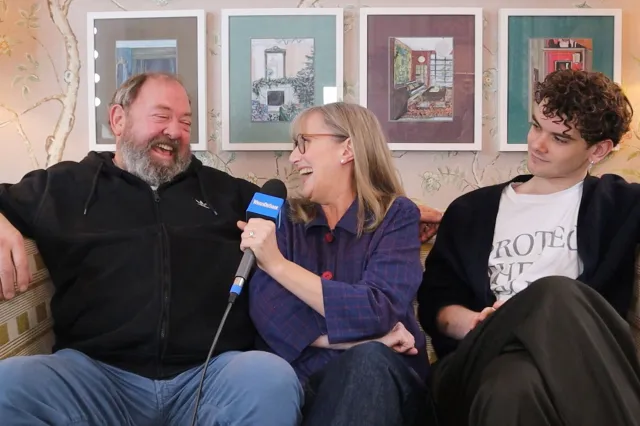
The Unlikely Pilgrimage of Harold Fry – watch the West End opening night highlights
The new musical by Rachel Joyce and Passenger is now officially open at Theatre Royal Haymarket