Shakespeare’s Globe unveils 2026 summer season – with Michelle Terry as Mother Courage
See what’s coming up at the venue!
 |
London
|
|
London
|
26 January 2026
Shakespeare’s Globe has announced details of its 2026 summer season across the Globe Theatre and the Sam Wanamaker Playhouse.
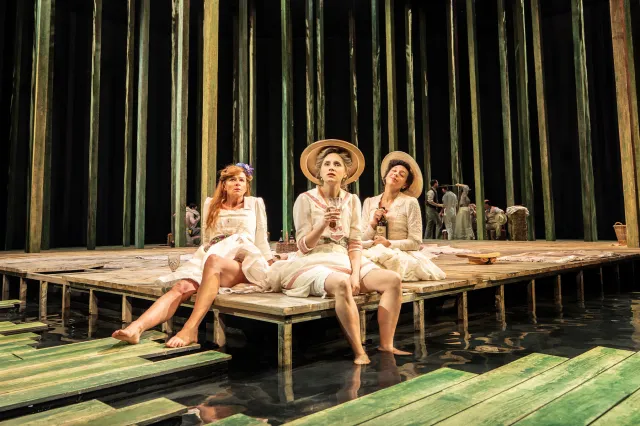
Emily Lim will direct A Midsummer Night’s Dream, which runs from 23 April until 29 August at the Globe Theatre. Lim was director of public acts at the National Theatre from 2018 to 2025, and her previous work includes *The Odyssey* and The Enormous Crocodile. The production is designed by Aldo Vazquez, with costumes by Fly Davis.
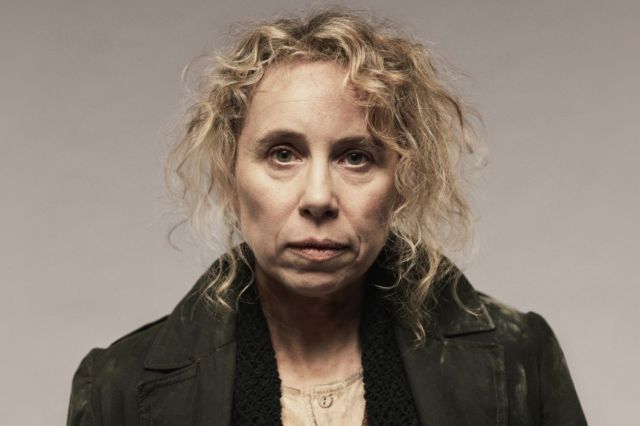
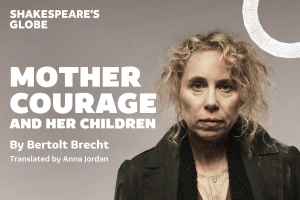
Bertolt Brecht’s Mother Courage and Her Children, translated by Anna Jordan, will be staged at the Globe from 7 May until 27 June. The production is directed by Globe associate artist Elle While and features Globe artistic director Michelle Terry in the title role, with music by James Maloney. It marks the first time the play has been presented at the Globe. Design is by takis.
Much Ado About Nothing will run from 11 June until 24 October, directed by Chelsea Walker, who returns to the Globe following All’s Well That Ends Well in 2024. The production is designed by Sami.
Globe associate artist Indiana Lown-Collins will make her Globe directorial debut with Love’s Labour’s Lost, running from 17 July until 13 September. The production is designed by Katie Lias.
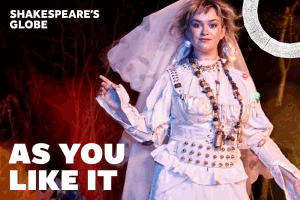
As You Like It will run from 14 August until 25 October, co-directed by associate artistic director Sean Holmes and Globe associate artist Charlie Josephine. Josephine will also appear in the production as Orlando, alongside Lola Shalam as Rosalind. The design is by Paul Wills.
In the Sam Wanamaker Playhouse, A World Elsewhere will run from 25 July until 30 August. Directed by Globe director of education Lucy Cuthbertson and co-produced with Splendid Productions, the family show is written by Kerry Frampton and Ben Hales, with design by Rose Revitt.
More than 180,000 tickets across the season are available at £10 or less and a limited number priced at £5 for every performance.
Terry said today: “All the plays this season were born out of a world in chaos, whether that was the chaos of Shakespeare’s 1599 or Brecht’s 1939. The questions these plays ask are an attempt to make sense of that world: what is love? What is evil? What is power? What is tyranny? What is this life?
“Neither Shakespeare nor Brecht give us an answer, but they do demand we ask the questions, and as importantly, ask them in a Theatre, where at the very least we are asking them together.”




Featured In This Story
Related Articles
See all


Latest Videos
I’m Every Woman – The Chaka Khan Musical releases new trailer
Performances begin at Hackney Empire this week