
National Theatre report states filmed theatre and streaming supports audience discovery
The findings come at a period of constant innovation for the worlds of theatre and streaming
 |
Nationwide
|
|
Nationwide
|
11 May 2026
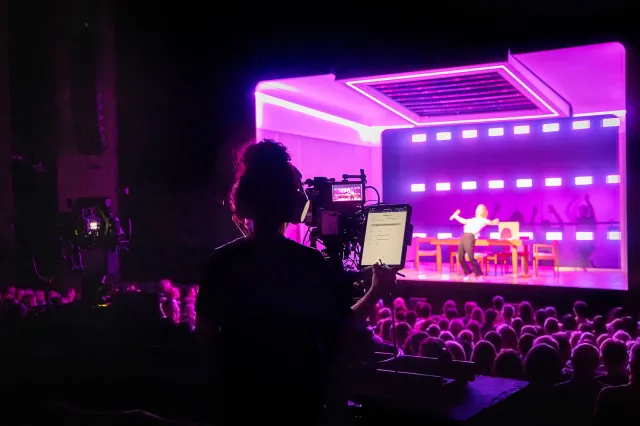
The National Theatre has published findings from a new study into the relationship between filmed theatre and live attendance in the UK.
The research was carried out by Indigo and commissioned by National Theatre. It drew on interviews with industry figures, existing audience research and a survey of more than 5,500 respondents from National Theatre audiences, Indigo’s Audience Panel and partner theatre mailing lists.
The report found that filmed theatre is not replacing live performance, with 89 per cent of respondents saying they would choose to see a production live rather than in a cinema or via streaming. Among London audiences, that figure rose to 91 per cent.
According to the findings, audiences who engage with filmed theatre are also likely to attend live productions, with 93 per cent of cinema and streaming audiences also going to the theatre in person. Sixty per cent of respondents said filmed options encouraged them to consume more theatre overall.
The study also examined how filmed theatre affects access and audience development. Streaming attracted the highest proportion of under-35s, while 20 per cent of streaming audiences identified as disabled, compared to 15 per cent of in-person audiences. Respondents cited travel costs, ticket prices, availability and accessibility needs as barriers to live attendance, particularly for audiences outside London and the South East.
The report found that filmed theatre supports audience discovery, with 60 per cent of respondents saying digital availability encouraged them to watch productions they had not previously considered. Cinema screenings were described as offering a shared experience, while streaming was valued for flexibility and comfort.
The National Theatre’s filmed work is primarily viewed outside the capital, with 92 per cent of NT Live audiences and 99 per cent of NT at Home audiences based elsewhere in the UK.
The report did note “there was some evidence of a limited amount of substitution locally. This only tended to be reported where live drama provision (in particular) was limited or perceived as poor quality, and filmed theatre provided an opportunity to see high quality drama conveniently, particularly for older people.”
Matt Risley, chief digital officer at the National Theatre, said the findings offered insight into how audiences choose between live, cinema and streaming experiences, and what prevents some people from attending theatre in person.
He said: “Filmed theatre should never be framed as replacing the magic of a live performance; it’s a complementary offer that can lower barriers, support discovery and keep people connected to theatre over time.”




source on Google
Related Articles
See all


Latest Reviews
See all





Latest Videos

New musical Nero releases first listen with Andrew Barth Feldman
It is from the writers of Spring Awakening