
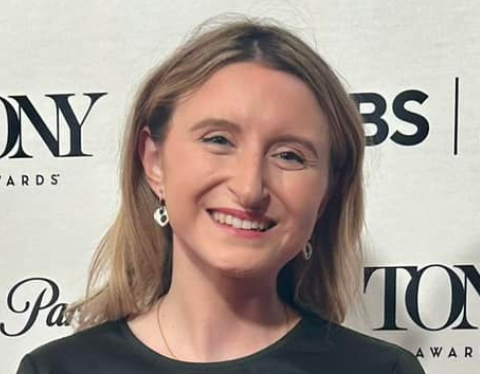
Georgina Duncan wins the Women’s Prize for Playwriting with Sapling
It was announced this evening at a ceremony in London
 |
Nationwide
|
|
Nationwide
|
9 February 2026

The Women’s Prize for Playwriting has revealed the winner from its record-breaking year.
One thousand, two hundred and seventy-five scripts were submitted in 2025, the most that the Prize has received since it launched in 2019. The 41 playwrights who made the longlist are set to receive one-on-one dramaturgical support, writing workshops, and a “Futures Day” of industry-focused sessions from Future Light, a new talent development launched by the Women’s Prize for Playwrighting.
This year’s winner is Sapling by Georgina Duncan. Described as “a tender and darkly funny story about what grows when deep-rooted pain is left untended,” Sapling follows teenage Gerry, who is grieving for his brother, who died at the hands of another child. It is set in 1990s Belfast during the last gasp of The Troubles.
Each year, the Prize is awarded to a full-length play – defined as over 60 minutes in duration – written in English. The winner receives £20,000 in respect of an option for Ellie Keel Productions, Paines Plough, and Sheffield Theatres to co-produce the play. The prize is sponsored by Samuel French Ltd, a Concord Theatricals company, the official publishing partner of the prize.
Director of the National Theatre, Indhu Rubasingham, headed the judging panel, which also included literary and development associate at Wessex Grove, Kat Pierce, directors Milli Bhatia and Alice Hamilton, actress Romola Garai, literary agent Mel Kenyon, artistic director of Bristol Old Vic Nancy Medina, the National Theatre’s director of new work Nina Steiger, playwright Morgan Lloyd Malcolm, and Guardian editor-in-chief Katharine Viner.
During the ceremony, Meera Syal performed a special monologue written by Abi Morgan, celebrating the legacy and continuing impact of women shaping British theatre.
Previous winners of the Women’s Prize for Playwrighting include Amy Trigg for Reasons You Should(n’t) Love Me, Ahlam for You Bury Me, and Karis Kelly for Consumed. The most recent winner, Sarah Grochala for Intelligence, is currently in development with Paines Plough and Ellie Keel Productions.
Ellie Keel, founder director of the Women’s Prize for Playwriting, said: “Sapling is the rare kind of play that producers dream of discovering and audiences yearn to watch: gripping, fearless, and profoundly moving. Georgie’s writing is full of heart and vivid energy, matching its extraordinary craft in every scene.
She continued: “The judges’ meeting was particularly rigorous this year, reflecting the impressive standard of all our Final Five plays, which were selected from our highest number of submissions yet. These plays and writers have incredible futures on big stages, and I can’t wait to follow their journeys. It’s a privilege to be at the helm of the Women’s Prize for Playwriting as we continue to grow and reach more writers, and champion the wealth of female and non-binary talent we all know is out there, but is sometimes overlooked or compromised by old-guard gatekeepers. The future for big plays by women is getting brighter all the time, but we need to keep our foot on the pedal.”
Katie Posner, co-artistic director of Paines Plough, added, and Debo Adebayo, deputy artistic director, added, “We are prouder each year of the growing impact of this prize and the very real difference it makes to female and non-binary writers. This was the most competitive year yet, with the highest number of submissions so far, and an incredibly difficult decision for the judges to choose just one from the incredible Final Five. A huge congratulations to all five finalists, whose work was such a privilege to read.
Of Sapling, they said: “Georgina’s winning script is a deeply assured piece of storytelling: a tender, powerful portrait of a family and community living in the long shadow of grief, written with confidence, skill, care and love. Since the prize began, we’ve produced three winning plays – bringing them to over 35,000 audience members in 31 locations nationwide – and we’re so excited to see Sapling grow and connect with audiences on that same scale.”
Also announced today, Kristin Scott Thomas is the winner of the Women’s Prize for Playwriting’s inaugural Leading Light award. The lifetime achievement prize recognises a leading female in the arts industry for their enduring influence, distinguished body of work, and outstanding contribution to culture.




Related Articles
See all


Latest Reviews
See all




Latest Videos
The Unlikely Pilgrimage of Harold Fry – watch the West End opening night highlights
The new musical by Rachel Joyce and Passenger is now officially open at Theatre Royal Haymarket