Posted 16 November 2009 - 03:23 PM
Saw it this weekend:
Seating wise, they have built a small amphitheatre. There are only 3 rows and the rake is very steep. The back row can lean against the back wall, but for the front two rows, there is no backrest because the row behind's legs are there. It is basically 3 big stairs so there is no 'under the seat' to put anything so everyone was asked to use the (free) cloakroom. It wasn't too busy because The Priory hasn't started, but once the main house is open too, I can imagine the cloakroom queue will be pretty before 7:30 (and if you want the back row with backrests you'll need to queue to get into the upstairs theatre from about 7:25). It is, once again, an amazing transformation of the space, but it would be nice if everyone could lean against something.
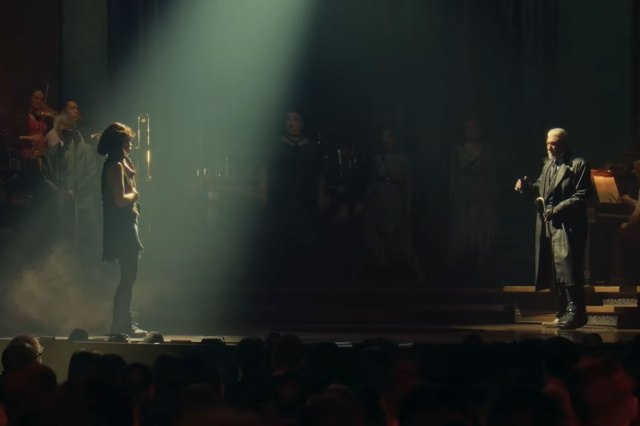
Apart from the reconfiguration, there are no props or set and no miming of these things (for example if someone is handed a glass of wine, they say 'thank you' but never pretend to be handed one or holding one; similarly if they are at a dinner table, they will talk about how nice the food is, but be walking all over the place). There is one sound effect to denote time passing and just one big light on throughout (so a bit like the author, you can see everyone in the audience). It really focusses the drama on the characters and allows them to express emotions through gestures that otherwise would be impossible.
I thought the play was fantastic. Really funny and tragic and terrifically intimate. Andrew Scott was the absolute star of the show for me, his character revealing his insecurities through his need to be domineering and bitchy. His quick-fire delivery is very impressive, particularly considering I was only at the second preview. Ben Whishaw was also brilliant although I found the character rather wet. To be honest, if I have one main criticism of the play it is that none of the characters is particularly endearing.
However I thought it was an excellent exploration of what it means to be gay, straight or bisexual, whether these labels mean anything and whether nature or nurture is the cause of different sexual orientation. What I thought was particularly clever was that by focussing on whether it was necessary to define yourself and make a choice, rather than whether homosexuality is wrong full stop, the arguments aren't presented in a liberal-versus-conservative manner but rather through various liberal opinions. Therefore, rather than being a play preaching to the converted, you get a play that genuinely challenges theatregoers views and, at least in my case, made me think about issues that I hadn't considered before.