
The RSC join Helen Mirren, Ian McKellen, Adjoa Andoh and launch new Shakespeare Curriculum
The groundbreaking digital resource is now live
 |
Nationwide
|
|
Nationwide
|
12 November 2025
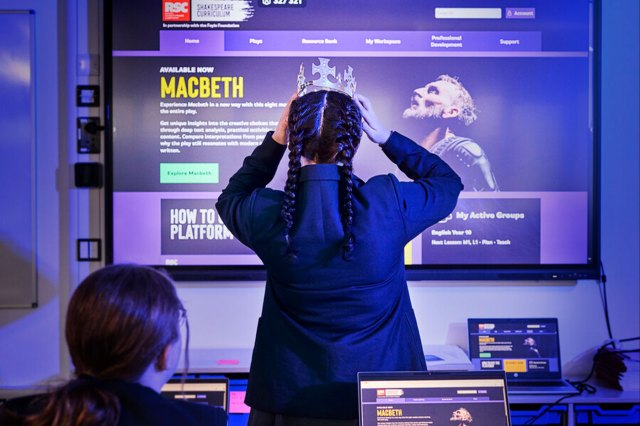
This morning, the Royal Shakespeare Company (RSC) and Foyle Foundation launched the RSC Shakespeare Curriculum, a new digital platform for teachers and students. The initiative has been backed by some of the UK’s leading actors, including Helen Mirren, Ian McKellen, and Adjoa Andoh.
The RSC’s aim is to radically change how Shakespeare is taught in secondary schools across the UK and globally, with a goal of 80 per cent of the national schools using the Shakespeare Curriculum by 2030.
Free to use for all state and SEND secondary schools, the programme immerses students into the world of an RSC rehearsal room, teaching techniques used by both actors and directors to unlock language, characters and themes. The first-of-its-kind resource turns Shakespeare’s ten most studied plays into a 24-part creative learning adventure.
Mirren, RSC honorary associate artist, said: “Rehearsal rooms are places where we explore possibilities; where we look at a play written 400 years ago as if it were new, with the ink still wet on the page. In a rehearsal room, we are questioning, experimenting and bringing our own experiences and interpretations to Shakespeare’s stories.
“That spirit of collaboration and creative enquiry sits at the very heart of the RSC’s new Shakespeare Curriculum: bringing the energy of the rehearsal room into secondary schools across the country, turning classrooms into places where inquiry, co-operation and creativity flourish.”
From a 2012 study by the RSC and British Council, approximately 50 per cent of school children worldwide study Shakespeare and his plays each year.
McKellen commented: “Actors, better than other Shakespeare lovers, know how difficult it is to transform his words on the page into living, breathing characters on the stage where they belong.
“To expect schoolchildren to grapple with such problems may well put them off Shakespeare for life. Ever since I was at school, reading a troublesome text around the classroom, I have wondered how professional theatre people might help English teachers who too often feel inadequate to the task. Now the Royal Shakespeare Company has come up with an answer, a practical way for teachers to lead students to an appreciation of the plays, not just as written texts but as a starting place to explore the excitement of live theatre. A revolution is in the offing. ‘The play’s the thing…!'”
Andoh, RSC associate artist, added: “If you have found Shakespeare boring or confusing or not relevant, if you have been made to feel like you’re not smart enough, or you can’t concentrate enough, or people don’t think you’re worth bothering with, that’s other people’s fault not yours – with the Shakespeare Curriculum all this is about to change. It is about giving you the chance to get up on your feet and deep dive into the crazy, heartbreaking hilarious, thrilling world of Shakespeare’s stories – stories you will recognise as things you have experienced in your own lives, as things that are happening in the world around you today, and you’ll feel it, you’ll understand it and you’ll get to live it out in rehearsals.
“Shakespeare is relevant yesterday, today and tomorrow – and yours for the taking. Come join us, breathe out, dive in – Shakespeare can change your life – he did mine!”
The Shakespeare Curriculum has been developed in collaboration with Charanga, a specialist provider of digital platforms and technology for music and arts education, and created with major investment from the Foyle Foundation.
The RSC Shakespeare Curriculum is now live at shakespearecurriculum.com.
Sign up to our newsletter for more




Related Articles
See all


Latest Reviews
See all








Latest Videos
Michael Sheen on ‘building a community’ in Our Town for the Welsh National Theatre
Francesca Goodridge’s revival of Thornton Wilder’s Pulitzer Prize-winning play begins performances next month