
Blogs
Stars should be allowed to prioritise their health without a tabloid pile-on
Tabloids have run a series of articles about stage star Amber Davies this week
 |
Nationwide
|
|
Nationwide
|
12 March 2026
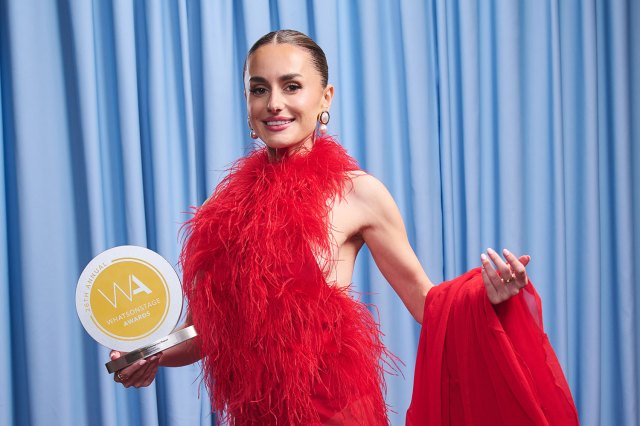
The recent discourse surrounding cast absences – specifically the tabloid-led fixation on Legally Blonde star Amber Davies – is an odd phenomenon.
Davies, as she revealed very openly on social media over this week, has been fighting an infection that has forced her off stage – something that has now been covered in the Daily Mail, The Sun, the PA and even the BBC.
Cast absence due to illness is not unusual. Award-winning stars like Jessie Buckley or Rachel Zegler had to take unexpected breaks. Night after night, productions make use of well-established cover and understudy systems to prevent shows being cancelled unless absolutely necessary.
As she notes on her social media accounts, Davies has been on a relentless treadmill for almost a year: she went straight from a summer season in The Great Gatsby, onto a last-minute three-month spell in Strictly Come Dancing and then donning the pink wig of Elle Woods in Legally Blonde with barely a second’s break.
The human voice is a muscle, and muscles are not infallible. Davies has been refreshingly candid about her vocal health on social media. In an industry that can often feel exclusive, that level of honesty should be a blueprint for modern professionalism, not a stick to beat her with. The added pressure from these headlines is not needed if it leads to too-hasty returns.
Of course – theatre tickets can be expensive. Fan expectations can lead to upsets. But we’ve reached a point of “performer entitlement” where a sick day is treated as a slight. X (formerly Twitter) and TikTok have become echo chambers for a very specific brand of vitriol, and in the case of Davies, fuelled by a hangover from the hyper-critical Strictly commentary. This sensationalised narrative can paint a hardworking actor as unreliable, ignoring the fact that any production is an ensemble machine, not a one-person residency.
Ironically, the “outrage” brigade misses the magic of the understudy. Some of the most electric nights in theatre history have happened when a cover steps up. I will never forget the joy at seeing the Watermill, beset by company illness, put together a pared-back production of The Lord of the Rings – it felt like distilled storytelling at its finest.
If we want our stars to have careers that last decades rather than months, we have to stop treating a chest infection as a moral failing.
Audiences are, by and large, a forgiving lot, and box offices are more flexible than ever. It’s time the tabloids caught up: sometimes the bravest thing a lead can do is step aside and let the show go on without them.




Latest Reviews
See all


Latest Videos

Kinky Boots with Johannes Radebe – watch the London Coliseum cast in action
Step into the Land of Lola!