Local council arts spending is less than half of what it was in 2010
Equity has sounded an alarm about the reduction in funding
 |
Nationwide
|
|
Nationwide
|
20 March 2026
New research has found that local government arts funding across Britain has fallen by 55 per cent since 2010, prompting warnings from Equity about access to culture.
Analysis by the Autonomy Institute shows spending has dropped from £1.19 billion in 2010 to £539 million in 2024 to 25. The data covers local authority budgets for arts and entertainment, including theatres, live performance, museums and galleries.
Warning signs for the consequences of cash-strapped local authority actions have been available since the pandemic.
The figures do show however, differing levels of reduction across the UK. In England, council arts spending has fallen by 61 per cent, equating to £660 million less in real terms each year compared with 2010. Current spending stands at £6.47 per person annually, down from £18.67.
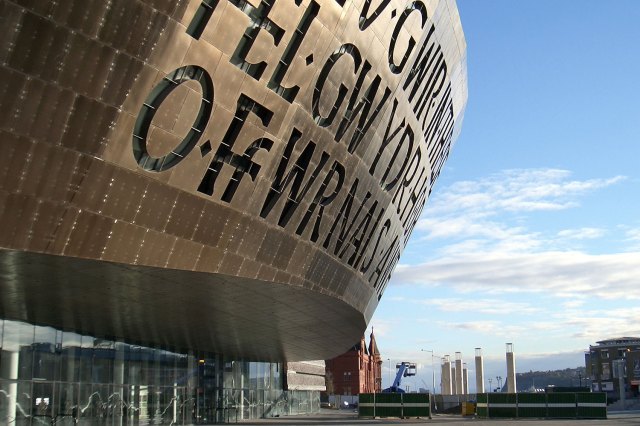
In Wales, funding has decreased by 46 per cent, a reduction of around £30 million a year, with per capita spending falling from £21.03 to £10.85. Scotland has seen an 18 per cent reduction, representing £25 million less per year, with current spending at £20.73 per person, down from 2010 levels.
Northern Ireland was not included in the analysis due to data limitations, though it has also experienced reductions in arts funding.
The research also highlights that 60 per cent of the 136 English councils due to hold elections in May have reduced their real arts funding by more than half since 2010, with at least eight reporting no net spending on the arts. Fourteen per cent have maintained funding at previous levels in real terms.
Equity general secretary Paul W Fleming said the findings were a “clarion call”, adding: “For the first time in a generation, people across large swathes of this island will not have the opportunity to visit a theatre. Meanwhile, as funding dries up, it becomes ever harder to make a living as a performer, reducing access to the industry for working class creatives.
“Equity is currently deep in negotiations with subsidised theatre producers who need to increase pay and modernise terms, amidst ongoing austerity in their funding. This task is harder for both parties unless local government re-prioritises growth-leading subsidy for the arts.
“The arts play a vital role in local economies, anchoring night life and driving tourism. Shared stories have the power to bring communities closer together, and arts workers make a huge contribution to our economy and our society.”
Equity is calling for increased investment in the arts ahead of local elections on 7 May and has urged the UK government to set out a plan for arts spending to reach 0.5 per cent of GDP, in line with the European average. The organisation said additional funding could support local authorities in maintaining arts provision.
The data forms part of Equity’s Local Government Arts Funding Tracker, which compiles spending information from 317 authorities in England, 32 in Scotland and 22 in Wales between the 2010 to 11 and 2024 to 25 financial years. The tracker shows that while some councils have increased their spending over the period, others now report no net investment in arts and culture at all.




Related Articles
See all


Latest Reviews
See all

Latest Videos
Miss Saigon releases new trailer as West End run goes on sale
The heat is on… with a West End run next year!