
Dracula in the West End review – Cynthia Erivo gives the show some much-needed bite
The solo show reimagining of the Bram Stoker classic, adapted and directed by Kip Williams, runs at the Noël Coward Theatre until 30 May
 |
London
|
|
London
|
17 February 2026
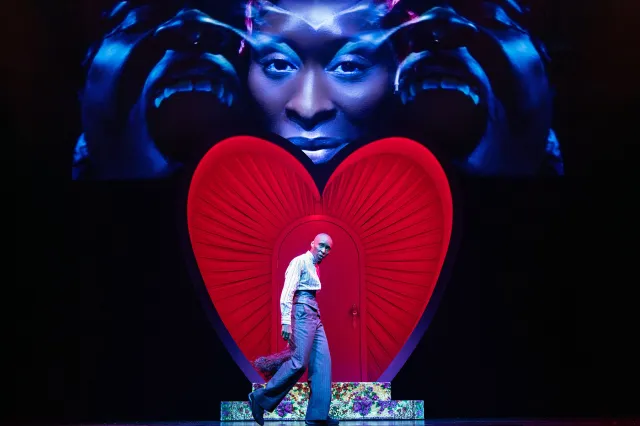
Cynthia Erivo is the beating heart of Dracula. Whatever your opinion of the rest of the production, it’s impossible to fault her consummate commitment as she swoops and soars between 23 characters on stage and screen, barely pausing as she adopts a series of increasingly ludicrous wigs, elegantly tailored coats and multiple accents.
At the breathless close of two unbroken hours, when the undead Count, whose bloodsucking antics have wreaked havoc across Europe, is finally chased back to his snow-bound lair, she is even allowed to sing. Briefly.
How wonderful it would have been to see her play Dracula. Or his nemesis, Van Helsing. Or even his prey, Mina. How brilliant it might have been to watch her return to the stage after her world-conquering performance as Elphaba in Wicked in a real play.
Instead, she is forced to attempt to lend some bite to Kip Williams’ meandering – and excessively long – adaptation of Bram Stoker’s epistolary novel, which sacrifices her undoubted talent on the altar of superficially exciting theatrical gimmickry.
Australian-born Williams has walked this road as writer and director before. In 2024, he brought Oscar Wilde’s The Picture of Dorian Gray to London with Sarah Snook playing 26 parts with the help of a battery of cameras and pre-prepared footage that allowed her to engage with herself as she played other characters.
It just about worked because Dorian Gray is a novella about narcissism, about a man whose obsession with self leads to his downfall. Its arguments about the search for eternal youth and the manipulation of image chimed with our current-day concerns, allowing the technology to highlight the themes.
Dracula is not that. It’s an exploration of the uncanny, of the unexplained, of the other. Asking one person to play every role, however brilliantly, flattens rather than liberates its story. In a Freudian reading, of course, it is almost entirely about sex and Victorian stuffiness, and having Erivo interact with herself inside a red-velvet heart does nothing to illuminate its shock value.
But it’s more than that. Dracula is a novel without one fixed viewpoint – presumably the inspiration for Williams’ idea – and Erivo often ends up playing the least interesting character on stage, while the more interesting action unfolds on film around her. There are long stretches where she is seen on stage playing dullsville doctor John Seward – surrounded by bunches of garlic flowers, or in a graveyard full of sinister crosses – saying her lines to a tireless camera operator while above her on screen her characters are seen in close-up.
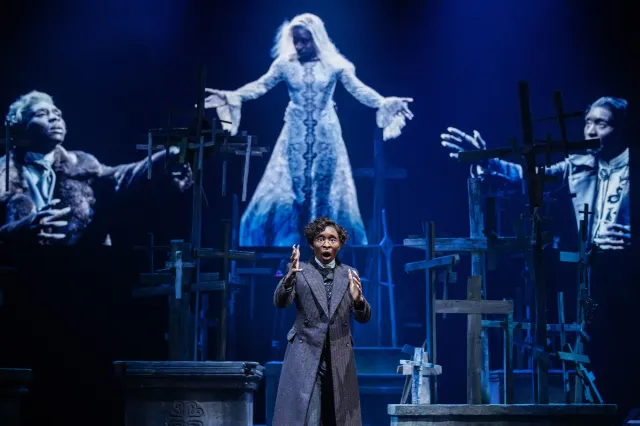
Van Helsing glowers in white whiskers, Lucy fades in a long blonde wig, the Texan Quincey Morris adds a rolling walk and some welcome humour, and Renfield eats insects. The screen is where the action is happening, yet if you are actually watching the progress on stage, you wonder why there’s all this messing around when you could be settling down in front of a perfectly good movie.
The effects, with Craig Wilkinson as video designer, are impressive: a vampire flying by, Dracula crawling down the wall. The camera operators, wig providers, stage managers, and props assistants are all assiduous and wonderfully efficient. Marg Horwell’s design is effectively flexible, Nick Schliper’s lighting and the sound design by Jessica Dunn suitably dramatic, though Clemence Williams’ score becomes increasingly over-emphatic.
But it’s an odd definition of theatre where you find you are watching the synchronisation of a coffin opening on stage with one on film above it, or wondering why the character is looking stage left, when a ghost is appearing stage right.
It’s slick, soulless and all about appearances. There’s no jeopardy or really any true drama. On the night I attended, the audience loved it, but what are we applauding? Erivo deserves it, but she also deserves far better – a Dracula with a bit of red meat rather than this bloodless, soul-sapping affair.






source on Google
Featured In This Story
Related Articles
See all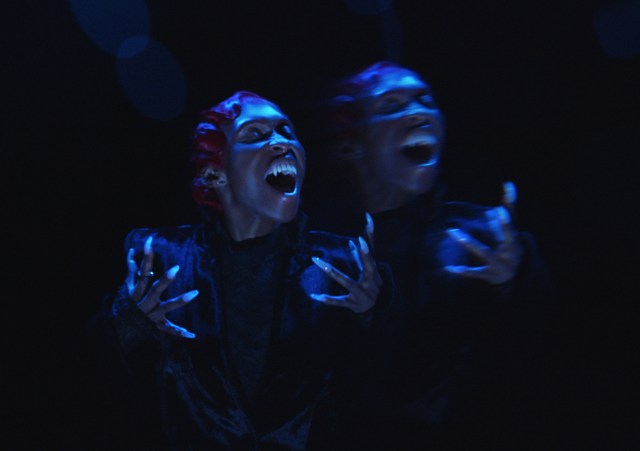

Latest Reviews
See all

Latest Videos
New musical Nero releases first listen with Andrew Barth Feldman
It is from the writers of Spring Awakening