
The public perception of captioning is rapidly shifting
A special streaming event takes place tomorrow night
 |
Nationwide
|
|
Nationwide
|
11 November 2025

As Captioning Awareness Week 2025 (10 to 16 November) kicks off, the deaf-led charity Stagetext is celebrating its 25th anniversary by joining forces with the National Theatre at Home streaming platform for a special subtitled premiere of the debut play, The Estate.
The collaboration not only marks a significant milestone for Stagetext: but underscores a fundamental shift in how the arts industry views accessibility. For Oliver Webster, head of systems and services at Stagetext, this is the busiest time of year. “We’re all on call at all times this week because it’s our big campaign week,” he notes, as the charity coordinates industry events and a vital social media campaign to raise awareness for the 18 million deaf, deafened, and hard of hearing adults in the UK.
The collaboration with the National Theatre (NT) is a long-standing one, encompassing everything from traditional theatre captioning and live subtitling to working on the NT’s caption glasses. According to Webster, the partnership is a natural fit: “They are a national theatre. It’s part of their goal to be accessible to everyone within the nation. And so it really kind of lines up with what Stagetext want to do in terms of accessibility and reaching everyone, including deaf audiences in the UK.”
The National Theatre at Home platform, which offers captions for all its titles, is hosting the premiere of The Estate, a razor-sharp exploration of family and power by Shaan Sahota, directed by Daniel Raggett and starring BAFTA winner Adeel Akhtar. The subtitled version of the filmed production, captured live from the Dorfman stage, will stream at 7pm GMT on 12 November. After that, it will join over 100 titles already on the platform.
Crucially, for this event, the subtitled version will be placed “front and centre” as the main viewing option, a move Webster finds particularly welcoming: “For once I get the easy journey of just going straight on, not having to go do some other steps to get what’s accessible to me.”
The emergence of theatre streaming platforms like National Theatre at Home – which grew out of the COVID-19 pandemic lockdowns – has proved to be a game-changer for accessibility, giving audiences across the globe the chance to experience world-class theatre. The digital format breaks down multiple barriers beyond hearing loss, addressing geographical distance from London, limited availability of accessible performances, and the difficulty of public transport for those with mobility issues. The premiere screening will also include a live chat, adding a layer of communal experience to the convenience of home viewing.
Despite the growing success of captioning, Stagetext still faces some resistance, primarily concerning cost. Webster explains that when budgets are strained, access is often the first thing to be cut. Organisations frequently fail to see past the immediate cost, missing the bigger picture: “They think of it as one caption show for 30, 40 people in the audience… Rather than thinking about it as this is part of the whole experience that you’re creating for people. And it’s not just going to be those 30 seats that are using it.”
The public’s perception, however, is rapidly shifting. The standardisation of subtitles on streaming services and social media has made text-based access ubiquitous, especially among younger audiences. Webster also notes that rising awareness of neurodivergence and the simple fact that the estimated deaf and hard of hearing population in the UK has risen to 18 million (one in three people) has increased the perceived value of captioning.
Webster stresses the difference between mere transcription and quality access. For live theatre, Stagetext still relies on highly skilled, trained human captioners. “You don’t have a computer that does all the sounding and lighting cues in a theatre show… And the same is true of the captioning. You need to have a person who is going to be able to respond to it.”
The work of a human captioner is highly contextual and intricate, involving deep study of the script, real-time adjustments for actors changing lines, and nuanced decisions about sound effects and formatting. They are careful not to include spoilers or be patronising. The ultimate goal of quality access is to be as unintrusive as possible.
“You notice subtitles the most when they are not good,” Webster concludes. It is this high level of expertise that allows the captions to “disappear from your awareness,” enabling the audience to spend less time reading and more time engaging with the performance itself.
The subtitled premiere of The Estate streams on National Theatre at Home on Wednesday 12 November at 7pm GMT. Following the stream, The Estate will be available on the platform joining over 100 other titles.




Featured In This Story

Related Articles
See all

Latest Reviews
See all





Latest Videos
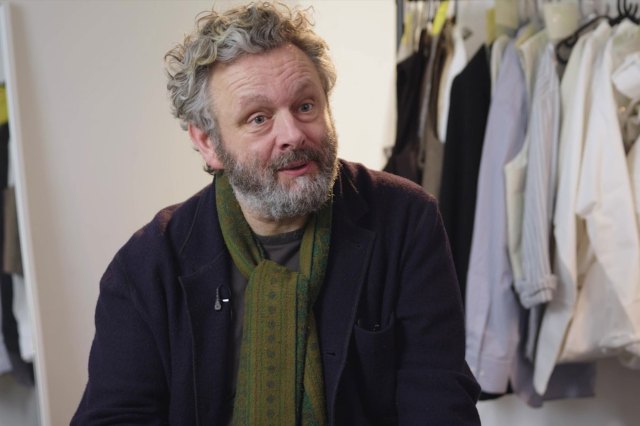
Michael Sheen on ‘building a community’ in Our Town for the Welsh National Theatre
Francesca Goodridge’s revival of Thornton Wilder’s Pulitzer Prize-winning play begins performances next month