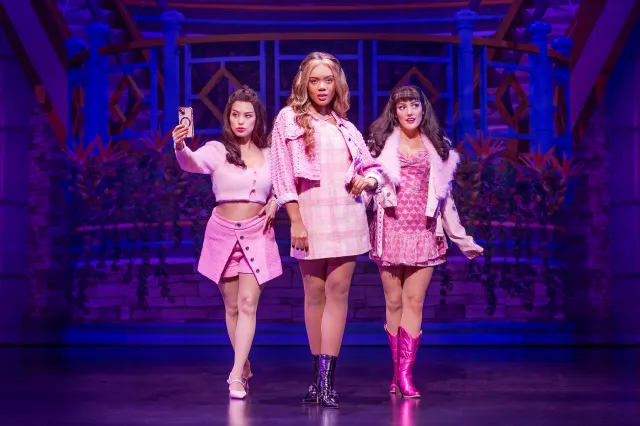
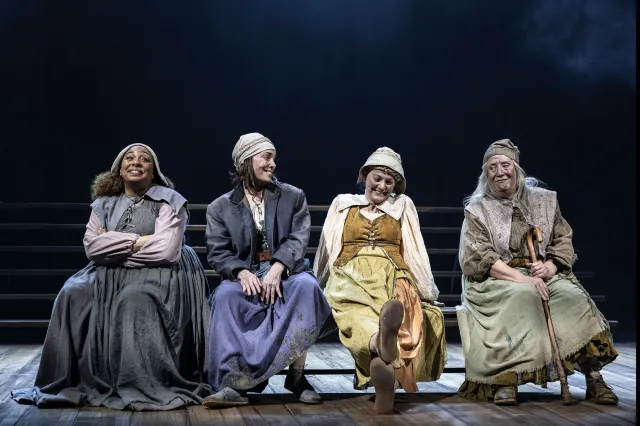
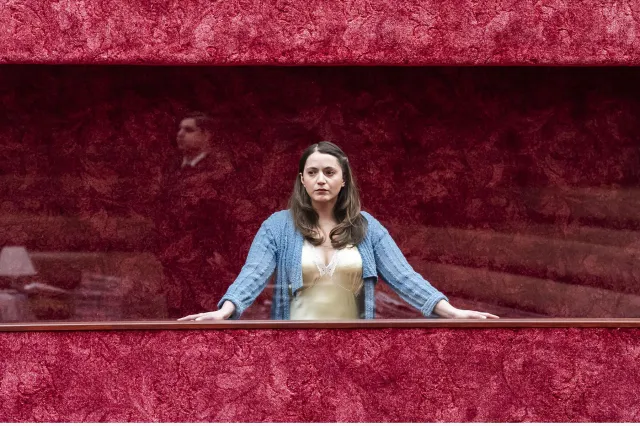
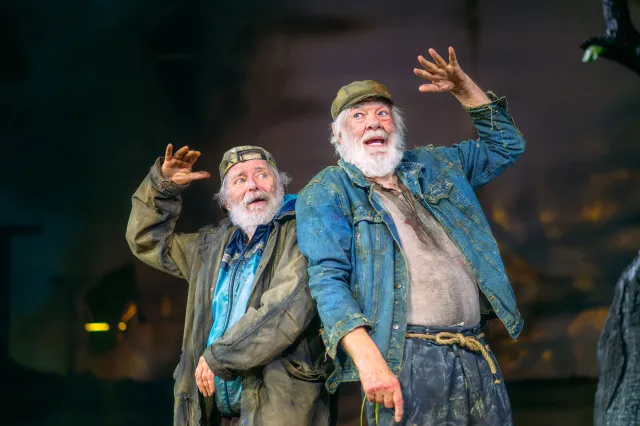
His inaugural 2026 season for Pitlochry Festival Theatre, timed for the venue’s 75th anniversary, is a confident, internationalist statement, yet one that remains rooted in his own artistic journey and the theatre’s Scottish location.
Chatting over Zoom last month, he acknowledges the challenge of taking the reins, which requires simultaneously retaining the current audience and clearly signalling a new artistic direction. “I wanted to make sure that I both didn’t scare away the audience who are used to a certain type of work and certain number of musicals,” he explains, “but also that I made it very clear that the times are changing and that the type of shows and type of people that I’m going to offer are different.”
What glues the eclectic programme together, Cumming says, is a profound personal connection to every show or collaborator. This ranges from new Scottish writing, which was “such a big part of my young actor life,” to working with veterans he has long admired.
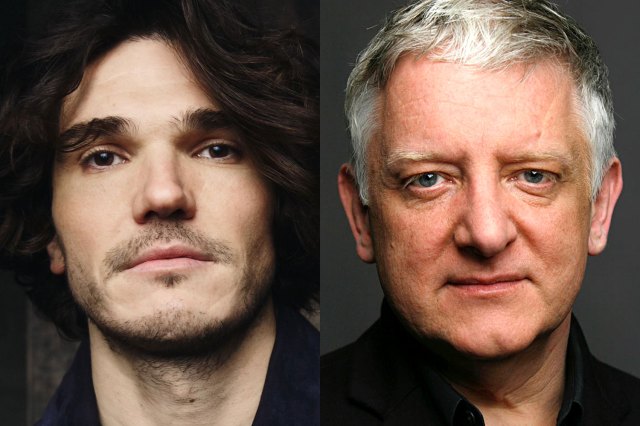
He cites the casting of Maureen Beattie as Lear in the bold new adaptation by Finn den Hertog: “Maureen Beattie was in a theatre and education company that came to my primary school when I was about eight and changed my life and made me an actor. And now she’s coming to work at my theatre. Everything’s like that. Everything’s got some sort of connection that is from a very personal place.”
This personal touch drives his choices, ensuring the work has weight and emotional impact. He revealed that he had originally planned to work with den Hertog on a different Shakespeare production involving Jack Lowden, but that was deferred. “We were hoping to revisit the next season, the show with Jack,” he confirms, adding that the shift in plans led him to Lear, allowing him to bring together den Hertog’s “young Scottish talent” with a veteran like Beattie.
For Cumming, the daily grind of management is less appealing than the creative output, stating frankly, “I don’t deal well with negativity.” His priority is the theatrical ambition, not the administrative tasks or remuneration. The excitement of attracting collaborators is part of the fun, and he jokes that he will be acting as a “theatrical landlady” for some guests. Furthermore, Cumming clarified that he is not taking a salary for his role, focusing his energy solely on the artistic vision and drawing talent to Pitlochry.
Cumming’s ultimate litmus test for the work, however, is visceral: he wants audiences to gasp. “I just, I want, like I said, I want people to gasp. I want them to be… to sort of, I don’t just want things to be pleasant. I want them to be exciting or sort of passionate and, you know, I want just stuff to have real balls and have joy. I want the emotions that you feel to be extreme.”
The season’s ambition is underlined by the calibre of the collaborations, which includes a developmental partnership with Sonia Friedman Productions. Cumming knows his international profile is a key asset to the Highland venue. “I’m here to bring my Alan Cumming-ness, my talent, yes, my contacts, my energy, my resources, and my experience, and mostly my pull, my fame,” he states. “Many of those things wouldn’t have happened before. But what’s the point of having someone like me if you don’t pull out all those stops?”
The opening musical, the Scottish premiere of Once, sees him reunite with the original creative team, John Tiffany and Steven Hoggett. Cumming felt it was vital to open with a contemporary musical that had not been seen in Scotland, rather than relying on an old classic.
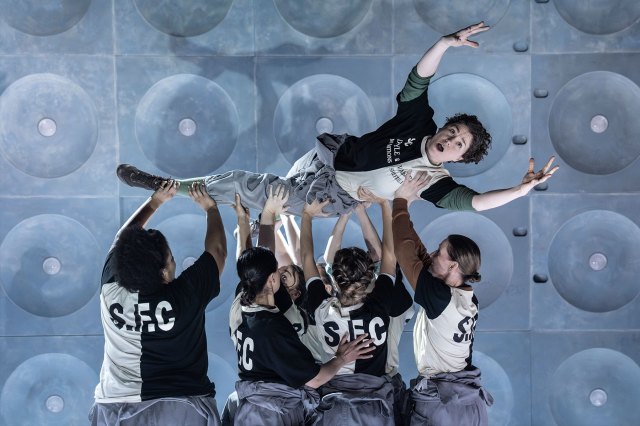
The same ethos drives the inclusion of the UK premiere of Ceilidh, directed by Tony Award-winner Sam Pinkleton of Broadway’s Oh Mary! fame. Cumming notes the humour of this, adding: “The fact that Sam Pinkleton is going to be in Pitlochry makes me laugh.”
This attitude extends to his own projects, such as the new staging of Oliver Emanuel’s A History of Paper with Shirley Henderson. Having seen the original, Cumming realised: “You have to believe that those two people in that story were grown-ups during 9/11… doing it with two older people will only amp up the emotion and the portent of it.” He confirms that this production is being primed for a New York transfer, believing: “Imagine that being in New York City, that show.”
The season closes with Cumming taking the stage himself as Henry Higgins in a new version of My Fair Lady, directed by Maria Friedman. Their approach is to create a chamber version, stripping the piece back. “The instruments are quite reduced,” Cumming says. “It doesn’t have that kind of wall of sound that you get in musicals. And it doesn’t, it’s not just genericised by the volume and by the spectacle. It’s actually specific and little and it’s about real people.” The aim is to move past the traditional showbiz trappings and focus on “telling what the author intended best. It’s a bit sort of going back to the core.”
The introduction of the new festival, Out in the Hills, a “bold, inclusive celebration of queer voices,” further underscores his vision for Pitlochry as a year-round theatrical destination.
His goal is to make the experience unforgettable. “If you have an okay time, that’s fine too,” he concludes. “But I would feel I had not quite done my job if you just had an okay time.”
From Sam Ryder’s Palladium debut to Sadie Sink and Noah Jupe in Romeo & Juliet, plus Ralph Fiennes in Grace Pervades and Johannes Radebe in Kinky Boots: here’s your definitive guide to theatre in 2026, curated by WhatsOnStage.