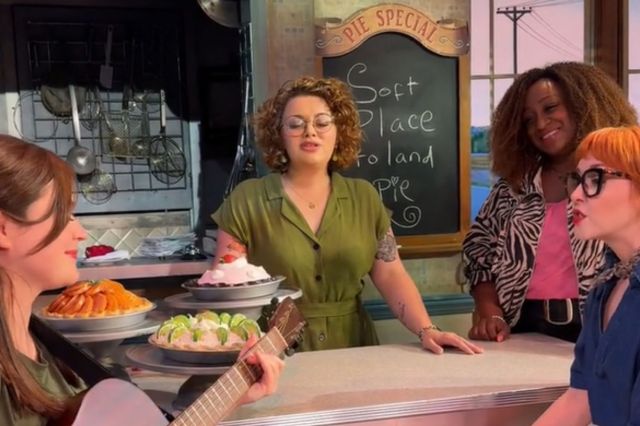
RSC Debates Theatre’s Claim on TV GenerationDate: 13 June 2002Theatres should be asking for some funding from the BBC licence fee. That was one suggestion that was raised during the Royal Shakespeare Company's summer debate - held last night (12 June 2002) at the Royal Institution in London - on the future of theatre in the television age. The comment on the licence fee was made by Peter Bazalgette, chairman of Endemol UK, the TV company responsible for Channel 4’s Big Brother. He claimed that the £70m theatre subsidy was "pitifully low" and that theatre groups should be seeking to tap into the funds that have been earmarked for the BBC. (Of course, a by-product of such a move would lead to a weakening of BBC's financial strength, so he was clearly not speaking as a disinterested party.) But the BBC suggestion was an aside. The main debate focused on how to attract more young people to the theatre, and whether theatre was still relevant in the age of MTV. The panel – chaired by the Guardian’s Jonathan Freedland and comprising Bazalgette, broadcaster and columnist Bonnie Greer, former Chief Inspector of Schools Chris Woodhead, TV executive and Planet 24 founder Charlie Parsons, and national Creative Partnerships director Peter Jenkinson - were surprisingly unanimous that theatre and TV should not be seen in competition with each other. They were also unanimous about the desirability of celebrity casting to attract young people to the theatre. Some of the most interesting comments came from the floor. Philip Hedley of the Theatre Royal Stratford East said that musical theatre in this country was two years behind the times - "when are we going to see a rap musical?" he asked. For his part, Woodhead prompted boos from the audience when he tried to differentiate between musicals and "higher cultures" such as Shakespeare. The audience was much more attuned to Greer who pointed out that young black and Asian people were not seeing any role models on stage. The theatre world, she said, is dominated by a series of private clubs - "the West End club, the subsidised theatre club" etc - and, as a consequence, a fine body of work is being ignored because "if you aren't in the club, you don't exist". Perhaps the best contribution came from the anonymous member of the audience who said that none of the debate had concentrated on the sheer joy of theatre and its capacity to enchant people. Certainly, too much of the debate was taken up people promoting their own interests, the contributions from marketing and branding organisations who claimed that theatre needed to spend more money on, you guessed it, marketing were particularly unhelpful. Perhaps more time should have been spent promoting the sheer delight in live performance, which is, after all, theatre's unique proposition. - by Maxwell Cooter
To coincide with the summer event, the RSC released the results of a poll, conducted by MORI, on the public's attitudes towards Shakespeare and theatre in general. Amongst the headlines figures were: 34% of young people feel that Shakespeare is still relevant and 27% think that Shakespeare's plays have had an important impact on the English language. Surprisingly, more young people had been to see a play in the past year (28%) than had been to a pop concert (25%) or visited an art gallery (21%), although cinema (79%), clubbing (49%) and live sport (45%) were the most popular leisure options. In a similar Big Debate survey run by Whatsonstage.com on the subject of Shakespeare last year, 67% of theatregoers rated the Bard as the greatest playwright who ever lived while 52% said they'd like to see more Shakespeare productions mounted.
Related Content |
Buy Tickets
Free Newsletter
Featured Video Featured Editor's Picks
| ||||||||||||||||||||||||||||||||||||||||||||||||||||||||